 admin
admin How to Treat Hole-in-the-Head Disease in Saltwater Ornamental Fish: A Complete Guide
Discovering unsightly lesions on your prized saltwater fish can be alarming. For many aquarists, the appearance of pitted holes or eroded areas around a fish's head and lateral line signals a dreaded condition: Hole-in-the-Head Disease. This progressive ailment not only affects your fish's appearance but is a serious threat to its health and longevity. Understanding the precise steps for diagnosis, treatment, and prevention is crucial for any responsible marine hobbyist aiming to restore their aquatic pet to full health.
Understanding Hole-in-the-Head Disease
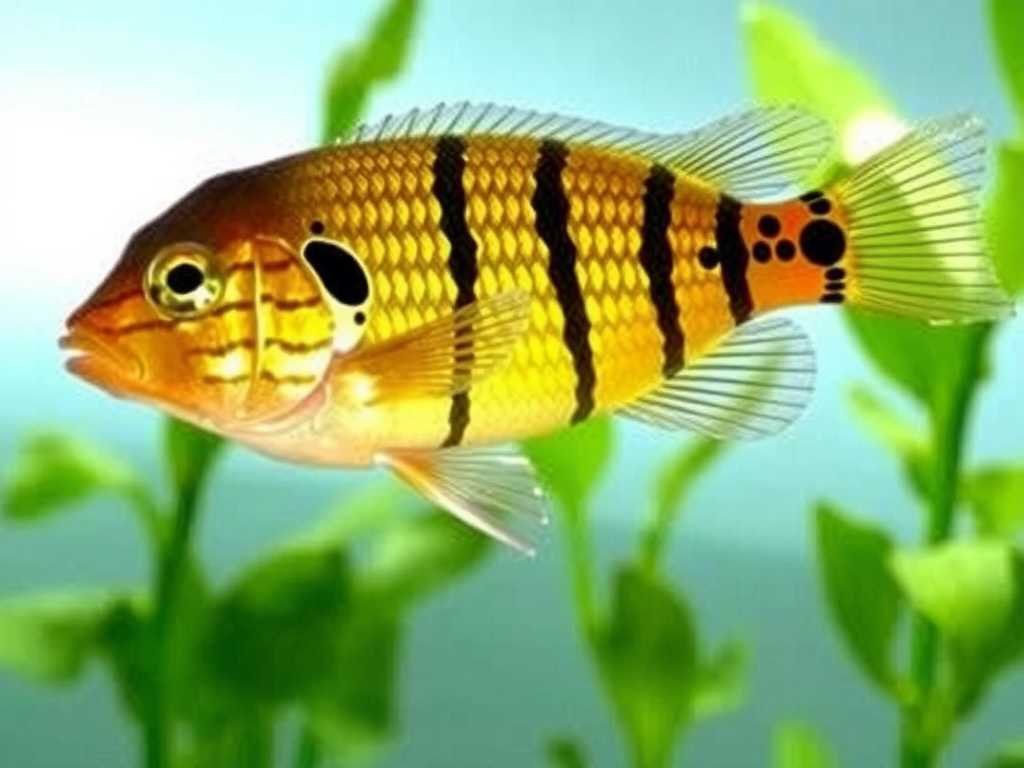
Hole-in-the-Head Disease, formally known as Hexamitiasis or Head and Lateral Line Erosion (HLLE), is a condition primarily affecting captive saltwater and freshwater fish. It manifests as small pits, erosions, or lesions around the fish's head, eyes, and along the sensory lateral line on the body. In early stages, you might notice small white spots or mucous-like strings near the affected areas. As it progresses, these can deepen into noticeable cavities, which may become secondarily infected by bacteria or fungi, complicating the treatment.
The exact cause is often debated, but it is widely considered a multifactorial disease. Key contributing factors include nutritional deficiencies, poor water quality, and the presence of specific parasitic protozoans like Hexamita spp.
Primary Causes and Contributing Factors
Nutritional Deficiencies A diet lacking in essential vitamins and minerals is a primary suspect. Specifically, deficiencies in vitamins C and D, calcium, and phosphorus have been strongly linked to the development of HLLE. Many processed or frozen foods lose vital nutrients over time. Relying on a single type of food without variety fails to provide the complete nutritional profile marine fish need for a robust immune system and healthy epithelial tissue.
Water Quality and Stress Chronic exposure to poor water conditions is a massive stressor. High levels of nitrates, dissolved organic compounds, and the presence of activated carbon dust are frequently correlated with outbreaks. Stress from inadequate housing, aggressive tank mates, or improper lighting weakens a fish's immune response, making it more susceptible to pathogens and health issues like hole-in-the-head.
Parasitic Infection The flagellated protozoan Hexamita is often found in the intestines and lesions of infected fish. While not all fish carrying the parasite show symptoms, it's believed that when a fish is weakened by stress or poor nutrition, the parasite population can explode, migrating and causing the characteristic lesions. This connection is why effective treatment for Hexamita in marine fish often involves specific medications.
Diagnosing the Condition Accurately
Before starting any treatment, accurate diagnosis is vital. The symptoms of HLLE can sometimes resemble other issues like bacterial infections, physical injuries, or even fungal growth. Observe your fish closely. True HLLE typically presents with symmetrical pitting along the lateral line and on the forehead, without significant redness or inflammation in the very early stages. If the holes appear suddenly with red, inflamed edges, a secondary bacterial infection is likely present.
Consulting with a veterinarian specializing in aquatic animals or an experienced aquarist is recommended. In some cases, a microscopic examination of a skin or intestinal scrape can confirm the presence of Hexamita parasites, allowing for a more targeted treatment approach.
A Step-by-Step Treatment Protocol
Treating this disease requires a multi-pronged strategy addressing all potential causes simultaneously for the best chance of success.
Step 1: Immediate Water Quality Optimization Your first action must be to improve the tank environment. Perform a significant water change (30-50%) using high-quality, purified water. Thoroughly clean the substrate with a gravel vacuum to remove detritus. Check and replace chemical filtration media like activated carbon, ensuring any dust is rinsed away. Test your water parameters rigorously; you should aim for 0 ppm ammonia, 0 ppm nitrite, and nitrate levels below 10 ppm. Consistent, pristine water reduces stress and aids healing.
Step 2: Dietary Enhancement and Correction Revamp your fish's diet immediately. Incorporate high-quality, vitamin-enriched foods. Soaking frozen mysis shrimp, brine shrimp, or pellet foods in liquid vitamin supplements (specifically those containing vitamins C, A, and D) is highly effective. Introduce variety: offer nori seaweed for herbivores, and include fresh, gut-loaded foods like live blackworms or clams for carnivores. A nutritionally complete diet is the cornerstone of long-term recovery and prevention.
Step 3: Medical Intervention for Parasites If a parasitic component is suspected or confirmed, medication is necessary. Metronidazole is the most common and effective treatment for Hexamita infections in aquarium fish. It can be administered in three ways:
- Medicated Food: This is the most effective method as it targets parasites in the gut. Mix medication with a binding agent and coat the food.
- Bath Treatment: The affected fish is placed in a quarantine tank and given a medicated bath as per dosage instructions.
- In-Tank Treatment: Used cautiously, following product guidelines, as it can affect biological filtration and invertebrates.
Always use a hospital or quarantine tank for treatments when possible to protect your main tank's ecosystem. Complete the full course of medication even if symptoms begin to improve.
Step 4: Supportive Care and Environment Add stress-reducing measures to the hospital tank. Provide ample hiding places with PVC pipes or non-sharp rock structures. Ensure gentle, laminar water flow. Some aquarists report benefits from adding minerals like aragonite to help with tissue remineralization. Monitor the fish daily for signs of improvement or worsening secondary infections.
Preventing Future Outbreaks
Successfully treating hole-in-the-head disease is a victory, but prevention is the ultimate goal. Maintain impeccable water quality through regular testing and scheduled water changes. Feed a diverse, high-quality diet tailored to your fish's species-specific needs. Avoid overcrowding and ensure your tank setup minimizes stress. Quarantine all new fish for at least 4-6 weeks before introducing them to your display tank to prevent introducing pathogens.
Can Hole-in-the-Head Disease spread to other fish in my tank? While the Hexamita parasite can be transmitted between fish, the disease itself is not typically "contagious" in the classic sense. It often erupts in individual fish under stress. However, if multiple fish are under the same poor conditions (bad water, poor diet), several may develop symptoms. Addressing the root environmental causes protects the entire tank.
How long does it take for the holes to heal completely? Healing is a slow process. With optimal treatment, you may see improvement (reduced inflammation, no new pits) within 2-3 weeks. However, for the existing pits to fill in and scar over, it can take several months. In severe cases, some scarring may be permanent, but the fish can live a full, healthy life.
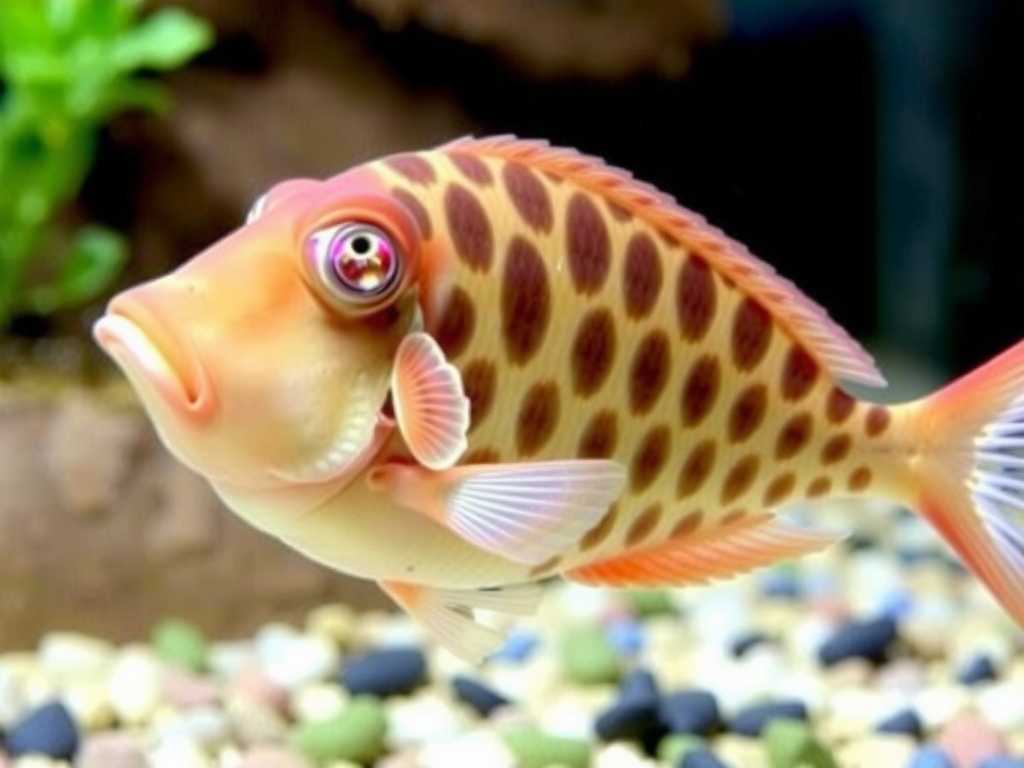
Is Hole-in-the-Head Disease fatal if left untreated? Yes, it can be. The lesions can deepen, leading to severe tissue damage and secondary systemic infections. The underlying malnutrition and parasitic load also weaken the fish significantly, often leading to organ failure or a fatal secondary infection. Early intervention is critical for the survival of your saltwater fish.
Addressing hole-in-the-head disease demands a comprehensive approach that looks beyond the visible symptoms. By methodically correcting water quality, revolutionizing nutritional intake, and applying targeted medication when needed, you create an environment where healing can occur. The path to recovery reinforces a fundamental principle of advanced fish keeping: prevention, through consistent excellence in tank management and husbandry, is always more rewarding than cure. Your vigilance and informed care are the most powerful medicines in your aquatic toolkit.

发表评论