 admin
admin How to Choose Saltwater Ornamental Fish Compatible with Clownfish
You’ve set up your beautiful saltwater aquarium, and the centerpiece is, of course, a vibrant pair of clownfish. Watching them host an anemone or playfully dart through the water is endlessly entertaining. But now you’re thinking about adding more life and color to your tank. The big question looms: which other saltwater ornamental fish can live peacefully with your clownfish without turning your serene underwater world into a battleground?
Choosing the wrong tank mates can lead to stress, aggression, and even fatal injuries. It’s a common and frustrating pain point for many aquarists. This guide is designed to help you navigate this crucial decision. We’ll explore the key factors for selecting saltwater ornamental fish compatible with clownfish, ensuring a harmonious and thriving community aquarium.
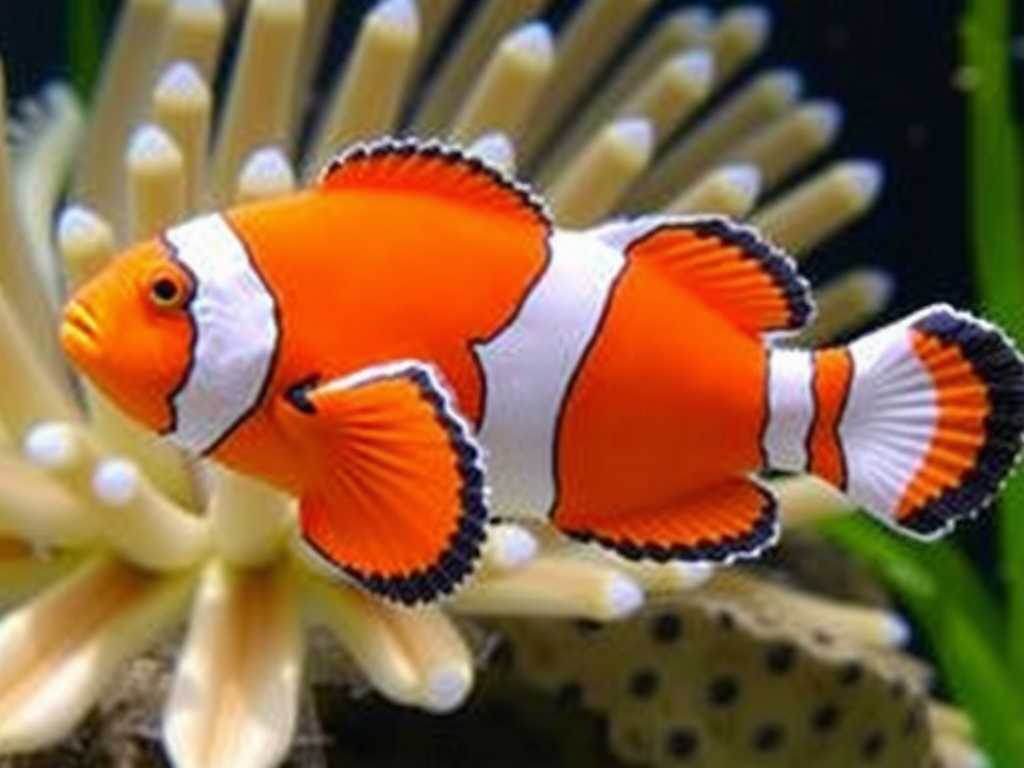
Understanding Clownfish Behavior: The Foundation for Compatibility
Before introducing any new fish, you must understand your clownfish. They are a type of damselfish, and while some species are quite peaceful (like the common Ocellaris or Percula), they can become territorial, especially around their chosen host anemone or a favored corner of the tank.
Their behavior is influenced by species, individual personality, tank size, and environment. A mated pair in a smaller tank will be far more defensive than a single clownfish in a large, well-structured reef. Recognizing this is the first step in choosing clownfish tank mates that will succeed.
Key Principles for Selecting Compatible Tank Mates
Follow these core principles to dramatically increase your chances of creating a peaceful community.
1. Prioritize Temperament and Size The golden rule is to avoid fish that are overly aggressive, large enough to eat your clownfish, or small enough to be bullied by them. Ideal candidates are generally peaceful, semi-aggressive at most, and of a similar or slightly larger size. Avoid known bullies like some larger damsels, triggers, or groupers in a standard community tank.
2. Consider Swimming Zones and Territory A successful aquarium utilizes all levels. Clownfish typically occupy the lower to middle regions, often claiming a specific rock or anemone. Look for fish that prefer different zones.
- Top-Dwellers: Fish like Firefish or certain wrasses swim in the open water column.
- Bottom-Dwellers: Blennies, Gobies, and some wrasses focus on the sandbed and rockwork. This spatial separation minimizes competition and conflict, a crucial strategy for maintaining a clownfish community tank.
3. The Critical Role of Tank Size and Aquascape No amount of careful fish selection will work in an undersized tank. More space allows territories to form naturally and reduces stress. A minimum of 20-30 gallons is recommended for a clownfish pair with one or two other small fish, but larger is always better.
Equally important is aquascaping. Create plenty of live rock formations with caves, overhangs, and through-holes. This provides essential hiding spots, breaks lines of sight, and establishes distinct territories, giving shy fish refuge and reducing confrontations.
Top Recommended Saltwater Ornamental Fish for Clownfish
Based on the principles above, here are some of the most reliable and popular choices, known for their generally good compatibility.
Peaceful Reef Dwellers (Excellent Choices)
- Royal Gramma: A stunning, peaceful fish that spends much of its time hovering in and out of cave openings. It minds its own business and is a perfect color contrast.
- Firefish (Nemateleotris spp.): These slender, graceful fish are timid and peaceful. They prefer to hover at the top of the tank near their burrow, posing no threat to clownfish.
- Chalk Bass & Assessor Basslets: Often overlooked gems, these small, hardy basslets are peaceful, stay small, and add beautiful color and activity.
Active and Helpful Tank Citizens
- Cleaner Wrasse (Labroides dimidiatus): While they have specific care requirements, a true cleaner wrasse can benefit the entire tank by removing parasites. They are non-aggressive and focused on their cleaning stations.
- Pajama Cardinalfish: Docile, schooling fish that are active at night. They are slow-moving and peaceful, making them great companions in a calm tank.
Bottom-Dwelling Specialists
- Blennies (Midas, Tailspot, Bi-Color): Full of personality, most blennies are herbivores that perch on rocks, grazing on algae. They occupy a different niche and typically ignore clownfish.
- Gobies (Watchman, Diamond, Clown Goby): These small, often sand-sifting or rock-perching fish are peaceful and stay close to the bottom. A Watchman Goby with its pistol shrimp partner is a fascinating addition that won’t bother your clowns.
Introducing New Fish to Your Clownfish Tank
Even with compatible species, proper introduction is key.
- Quarantine: Always quarantine new fish for at least 2-4 weeks to prevent disease introduction.
- Rearrange the Aquascape: Before adding the new fish, slightly rearrange the rockwork. This disrupts established territories and makes the environment “new” for all inhabitants, reducing the resident clownfish’s defensive advantage.
- Add the Least Aggressive Last: A good rule is to add the most peaceful fish last. However, since clownfish are often the first residents, the territory reset (step 2) is your best tool.
- Monitor Closely: Watch for signs of relentless chasing or nipping. Have a backup plan (like a tank divider) ready.
Fish to Generally Avoid with Clownfish
To prevent problems, be cautious with:
- Other Damselfish: Many are territorial and aggressive, especially in confined spaces.
- Large Predatory Fish (Lionfish, Groupers, Triggers): Your clownfish may become a snack.
- Overly Aggressive or Nippy Fish: Some angelfish, dottybacks, or larger wrasses can be problematic, particularly in smaller tanks.
- Same-Species Aggression: Avoid adding other clownfish of the same or similar species, as they will likely fight violently.
Frequently Asked Questions
Can I keep a tang or angelfish with my clownfish? It depends on the species and tank size. Small, peaceful dwarf angelfish (like the Coral Beauty) or a small Yellow Tang can sometimes work in a very large tank (100+ gallons) with plenty of space. However, many tangs and angels can be semi-aggressive and may outcompete or harass clownfish, especially in standard-sized aquariums. Always research the specific species thoroughly.
My clownfish is chasing every new fish I add. What should I do? This is common territorial behavior. Ensure your tank is large enough and has ample hiding places. Try the aquascape rearrangement method described above. If aggression persists, temporarily using a clear acrylic tank divider can allow the fish to see each other without contact until they acclimate. In extreme cases, you may need to rehome either the aggressor or the victim.
How many other fish can I add with my clownfish pair? This is determined almost entirely by your tank’s volume, filtration capacity, and the adult size of the fish. A general guideline for a fish-only system is one inch of adult fish length per 2-3 gallons of water, but this is a rough estimate. For a 30-gallon tank with a clownfish pair, 2-3 additional small, peaceful fish is a reasonable bioload. Always prioritize water quality and space over sheer numbers.
Building a community around your clownfish is one of the most rewarding aspects of the saltwater hobby. Success hinges on thoughtful selection, focusing on peaceful temperaments, complementary behaviors, and providing a spacious, well-structured environment. By prioritizing compatibility and following careful introduction protocols, you can create a diverse, vibrant, and harmonious underwater ecosystem where your clownfish and their tank mates will thrive for years to come.
发表评论