 admin
admin How to Keep Saltwater Ornamental Fish Tanks Algae-Free: A Long-Term Success Guide
You’ve invested in the vibrant beauty of a saltwater aquarium, a living tapestry of colorful fish and intricate corals. Yet, a persistent green, brown, or red film threatens to cloud your vision and smother your hard work. Algae. It’s the single most common frustration for marine aquarists, turning a dream tank into a constant battle. Achieving a truly algae-free saltwater tank isn’t about a single magic bullet; it’s about understanding and managing the ecosystem long-term. This guide will move you from reactive scrubbing to proactive, sustainable control, ensuring your ornamental fish thrive in a pristine, clear environment.
Understanding the Algae Equation: Light, Nutrients, and Time
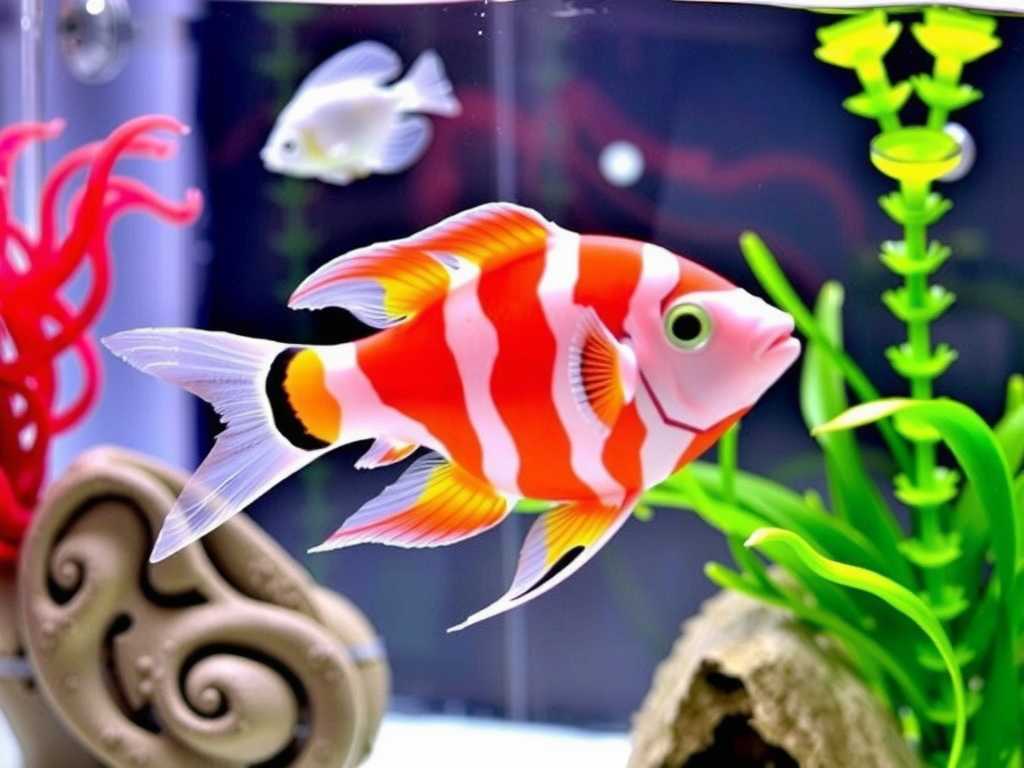
Algae are simple, opportunistic organisms. They only flourish when given the right ingredients: light for photosynthesis and nutrients for food. In a balanced reef or fish-only system, corals, macroalgae, and beneficial bacteria outcompete nuisance algae for these resources. An imbalance tips the scales in algae’s favor. Therefore, long-term algae control is about systematically tilting this balance back in your favor by addressing each contributing factor.
Mastering Nutrient Control: The Foundation of Prevention
Excess nutrients, namely phosphates (PO4) and nitrates (NO3), are the primary fuel for algae blooms. They enter your tank through fish food, fish waste, and tap water.
Strategic Feeding Practices Overfeeding is the most common source of nutrient pollution. Feed your ornamental fish only what they can consume within 1-2 minutes, once or twice a day. High-quality foods are more digestible, resulting in less waste. Consider incorporating a weekly fasting day for fish, which is beneficial for their health and reduces the nutrient load. As noted by marine aquarist and author Julian Sprung, "The solution to pollution is dilution, but prevention through careful feeding is always superior."
Robust Filtration and Protein Skimming Your mechanical filter (filter socks, sponges) removes particulate waste before it can break down. Rinse or replace these media weekly. A protein skimmer is non-negotiable for long-term saltwater success. It removes dissolved organic compounds directly from the water column, a process marine biologist Dr. Sanjay Joshi calls "the single most effective tool for export in a reef system." Ensure your skimmer is correctly sized and adjusted to produce a dark, wet skimmate.
Targeted Nutrient Export Methods
- Live Rock and Deep Sand Beds: These are not just decoration; they are the biological heart of your tank. Anaerobic bacteria within live rock and deep sand beds convert nitrate into harmless nitrogen gas, a process called denitrification.
- Refugiums with Macroalgae: Installing a refugium chamber lit on a reverse photoperiod (on when the main tank lights are off) is a powerhouse strategy. Fast-growing macroalgae like Chaetomorpha absorb phosphates and nitrates directly, competing with nuisance algae. Trimming the macroalgae regularly physically exports these nutrients from your system.
- Chemical Filtration: Use high-quality phosphate-removing media (GFO) and nitrate-reducing resins in a media reactor or filter bag. These are excellent for tackling persistent problems but should be part of a broader export strategy, not the sole solution.
Optimizing Lighting: Quality Over Quantity
Light is algae’s other essential ingredient. Modern LED lights are fantastic but powerful.
Setting the Right Photoperiod Most mixed reef or fish-only tanks do not need more than 8-10 hours of intense light per day. Use your light’s timer function to create a gradual ramp-up and ramp-down (simulating dawn and dusk). A prolonged period of intense, direct light is an open invitation for algae. For tanks battling algae, a "blackout" period of 2-3 days (with tank covered) can reset algal growth, but this is a temporary fix unless underlying nutrient issues are solved.
Choosing the Correct Spectrum While corals need specific blue and violet spectrums for growth, nuisance algae often thrive under broader white and yellow spectrums. Adjust your LED channels to favor a bluer spectrum if algae persist, and ensure you are not using outdated bulbs (like T5s or metal halides) beyond their useful life, as their spectrum shifts can promote algae.
The Clean-Up Crew: Your Algae Management Army
A well-stocked clean-up crew (CUC) is essential for long-term maintenance. They provide constant grazing pressure on algae before it can establish.
- Snails: Trochus, Astrea, and Turbo snails are excellent for glass and rockwork. Nassarius snails stir the sandbed.
- Hermit Crabs: Blue-legged and scarlet hermits are efficient scavengers and algae grazers. Provide extra empty shells for them to move into as they grow.
- Specialist Algae Eaters: For specific problems, consider targeted solutions. Sea hares devour hair algae, while certain tangs (like the Yellow or Kole Tang) are constant grazers on film algae. Always research fish compatibility and tank size requirements before adding.
Consistent Maintenance: The Non-Negotiable Routine
Long-term success is built on consistent habits, not heroic monthly efforts.
Weekly Water Changes A weekly water change of 10-15% is the most reliable tool you have. It dilutes nutrients, replenishes essential trace elements, and removes waste that filtration misses. Use a high-quality salt mix and RO/DI (Reverse Osmosis/Deionized) water. As the saying goes in the hobby, "The best filtration is a water change." Using tap water often introduces phosphates and silicates that feed algae.
Regular Substrate and Glass Care Gently stir the top layer of your sandbed during water changes to prevent detritus buildup. Use an algae scraper (magnetic or handheld) for the glass weekly. For acrylic tanks, use approved pads to avoid scratching.
Monitoring and Testing: Knowledge is Power You cannot manage what you do not measure. Test your phosphate and nitrate levels weekly with reliable test kits. Aim for near-zero phosphate (below 0.03 ppm) and low nitrate (ideally below 5 ppm for reefs, below 20 ppm for fish-only). Keeping a log helps you spot trends before they become problems.
Addressing Common Algae Types and Specific Solutions
- Diatoms (Brown Dust): Common in new tanks, fueled by silicates. They often subside as silicates are exhausted. Ensure you are using RO/DI water.
- Hair Algae (Green Filamentous): A clear sign of high phosphates and nitrates. Review feeding, enhance export (refugium, GFO), and manually remove as much as possible.
- Cyanobacteria (Red Slime): Often indicates low water flow and/or an imbalance in nutrients (sometimes low nitrate relative to phosphate). Increase flow to affected areas, siphon it out, and ensure nutrient levels are balanced.
- Bubble Algae: Manually remove very carefully without popping the bubbles (which can release spores). Emerald crabs are a natural predator.
Frequently Asked Questions
My phosphate test reads zero, but I still have a lot of algae. Why? This is a classic scenario. The algae are consuming the phosphate as fast as it becomes available, leaving none detectable in the water column. The phosphate is still present, just locked up in the algae itself. You need to physically remove the algae (manual removal, increased grazing) while continuing to limit its food source to ultimately win the battle.
Can I use algae-control chemicals or UV sterilizers as a permanent solution? Algaecides can be dangerous to fish, corals, and invertebrates and only treat the symptom, not the cause. UV sterilizers are excellent for killing free-floating algal cells and improving water clarity, but they do not affect algae already growing on surfaces or the root nutrient cause. They are best used as a supportive tool, not a primary strategy.
How long does it take to see results after implementing these long-term strategies? Ecosystems change slowly. After correcting major issues like feeding or lighting, you may see a reduction in new growth within 2-4 weeks. However, fully starving out existing, established algae can take several months of consistent effort. Patience and persistence are key.
Achieving and maintaining an algae-free saltwater aquarium is a testament to the hobbyist’s skill in balancing a complex ecosystem. It requires a shift from viewing algae as an enemy to be eradicated to understanding it as a symptom of imbalance. By systematically controlling nutrients through export and feeding, managing light intelligently, employing a robust clean-up crew, and adhering to disciplined maintenance, you create an environment where your ornamental fish and corals can outcompete nuisance algae. The result is not just a clean tank, but a healthier, more stable, and breathtakingly beautiful slice of the ocean that will thrive for years to come.
发表评论