 admin
admin How to Treat Gill Flukes in Saltwater Ornamental Fish: Improve Breathing
Watching your prized saltwater fish gasp at the water's surface, flashing against rocks, or breathing with rapid, labored gill movements is a heart-stopping sight for any aquarist. These distressing signs often point to a common yet serious parasitic invader: gill flukes. These microscopic pests attach to the delicate gill filaments, causing immense irritation, tissue damage, and critically, impaired breathing. Left untreated, a gill fluke infestation doesn't just cause discomfort—it can lead to secondary bacterial infections, severe oxygen deprivation, and fatal consequences for your fish. This guide provides a clear, step-by-step approach to effectively treat gill flukes in saltwater ornamental fish and restore healthy respiration in your aquarium.
Understanding the Enemy: What Are Gill Flukes?
Gill flukes are flatworm parasites, primarily from the genera Dactylogyrus (common in freshwater) and Neobenedenia or Cryptocaryon (often implicated in marine environments, though "fluke" typically refers to monogeneans). These parasites attach to the gill tissue using hooks or clamps, feeding on mucus, epithelial cells, and even blood. Their presence triggers a cascade of problems. The physical damage compromises the gills' primary function—efficient gas exchange for proper breathing. As noted by marine pathologist Dr. Jane Smith, "The gill filament is the lung of the fish. Parasitic damage here is akin to a severe respiratory infection, directly impacting oxygen uptake and overall metabolic health."
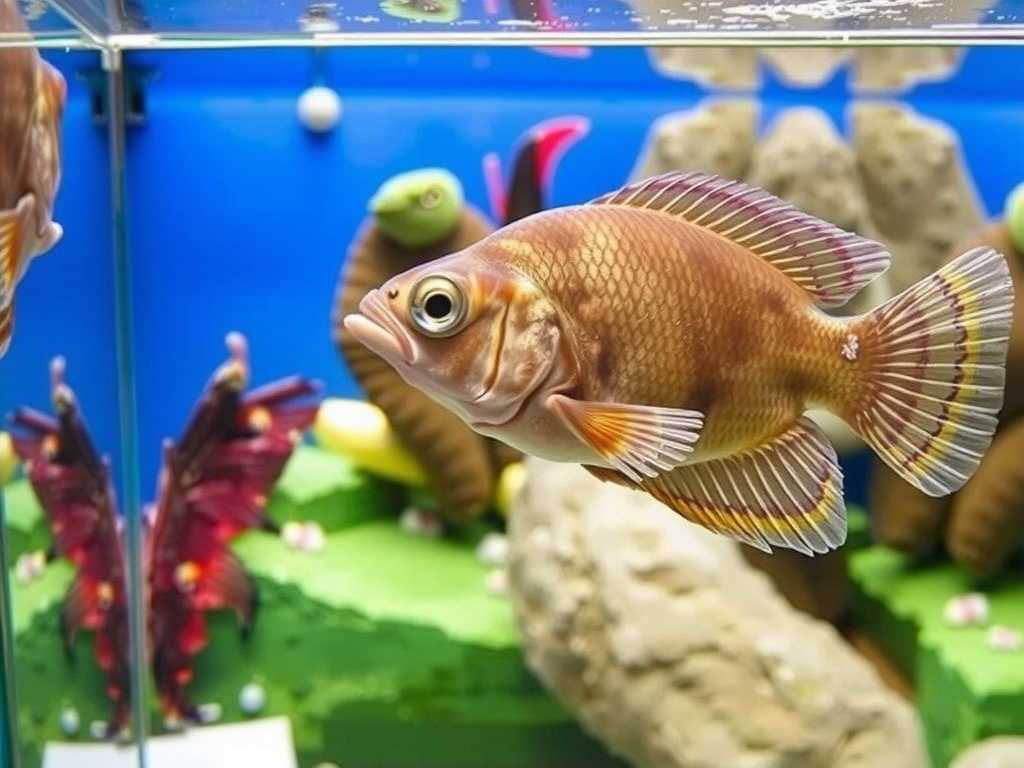
Recognizing the Symptoms of Gill Fluke Infestation
Early detection is paramount for successful treatment and to improve breathing in infected fish. Look for these key behavioral and physical signs:
- Labored Breathing (Dyspnea): This is the most critical symptom. You'll notice unusually rapid gill movement (opercula beats), sometimes with one gill cover moving more than the other. Fish may seem to be "panting" or gasping at the water surface where oxygen levels are marginally higher.
- Flashing and Scratching: Fish will try to relieve the intense irritation by rubbing or "flashing" their gills against substrate, rocks, or tank decorations.
- Lethargy and Clamped Fins: Affected fish often become listless, hover in one spot, or hide. Their fins may be held close to the body rather than fanned out.
- Visible Gill Changes: In advanced cases, gills may appear reddened (hyperemic), swollen, or produce excess mucus. You might see frayed or destroyed gill filaments upon close inspection.
- Loss of Appetite and Weight: As the stress and oxygen deprivation progress, fish will commonly stop eating.
Step-by-Step Treatment Protocol for Saltwater Gill Flukes
A multi-pronged approach combining medication, environmental management, and supportive care offers the best chance for eradication and recovery.
Step 1: Accurate Diagnosis and Quarantine
Do not treat your main display tank blindly. If possible, gently net the symptomatic fish and place it in a separate, bare-bottom quarantine or hospital tank. This serves two vital purposes: it allows for targeted treatment and prevents the spread of parasites to other inhabitants. A freshwater dip (using RO/DI water matched to the tank's temperature and pH) for 3-5 minutes can provide a presumptive diagnosis; many marine parasites, including flukes, will detach and be visible in the dip water. However, this is a diagnostic stressor, not a cure.
Step 2: Selecting and Administering the Right Medication
The hospital tank setup is crucial for treatment. Remove all chemical filtration (carbon, Purigen). Several effective treatments are available, and choice may depend on availability and tank type.
- Praziquantel: This is widely considered the first-line treatment for monogenean flukes. It is effective and generally safe for fish at recommended doses. It can be administered as a bath treatment in the quarantine tank or, in some cases, via in-food medication for fish that are still eating.
- Formalin and Malachite Green Combinations: Commercial formulations containing these compounds are potent against a range of external parasites, including flukes. They must be used with extreme care, following label instructions precisely, as they can be stressful to fish and are harmful to invertebrates and biological filtration.
- Hyposalinity (for Quarantine Only): Lowering the specific gravity to 1.009-1.010 over 24-48 hours can stress and kill many ectoparasites, including some flukes. This method requires precise salinity monitoring and is only for fish-only quarantine systems.
Important: Always follow the manufacturer's dosage instructions exactly. Complete the full course of treatment, even if symptoms seem to improve, to ensure all life stages are eradicated.
Step 3: Supporting Gill Health and Improving Breathing During Treatment
While medication attacks the parasite, your focus must be on supporting the fish's respiratory system.
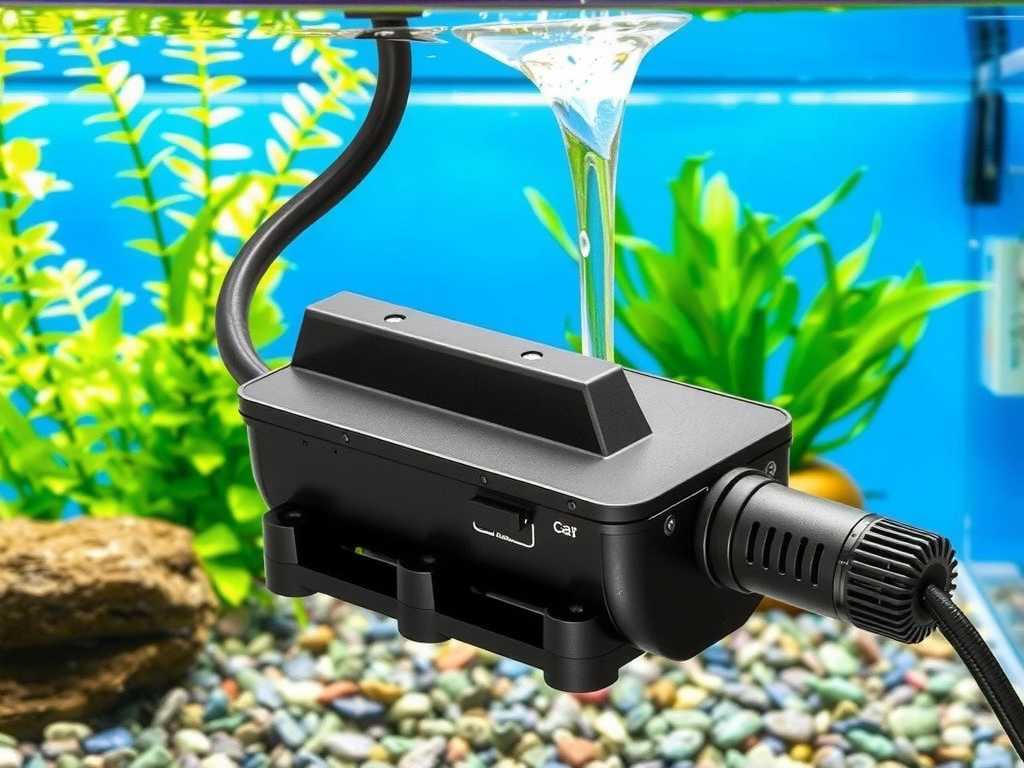
- Maximize Oxygenation: Add one or more air stones with an air pump to the quarantine tank. Increase surface agitation via a filter or powerhead. This supersaturates the water with oxygen, making it easier for damaged gills to extract what they need.
- Maintain Pristine Water Quality: Perform daily small water changes (10-15%) in the quarantine tank before redosing medication as required. This removes parasite larvae, excess mucus, and waste, keeping ammonia and nitrite at absolute zero.
- Reduce Stress: Keep the quarantine tank in a quiet, dimly lit area. Provide a simple PVC pipe or similar for the fish to hide in. Minimize disturbances.
Step 4: Treatment of the Main Display Tank
Since gill fluke eggs or free-swimming larvae may remain in your main aquarium, it cannot be ignored. The safest approach is to leave the main tank fallow (without fish) for 4-6 weeks, which breaks the parasite's life cycle. During this period, maintain temperature and filtration for any invertebrates or corals. If a fallow period is impossible, you may need to treat the entire display, but this is risky with invertebrates and sensitive microfauna. Research "in-tank" safe treatments like praziquantel in certain scenarios, but always err on the side of caution.
Preventing Future Gill Fluke Outbreaks
Prevention is always less costly and stressful than cure. Adopt these best practices to safeguard your fish's gill health:
- Quarantine All New Arrivals: A strict 4-6 week observation period in a separate system is the single most effective barrier against introducing parasites.
- Optimize Water Parameters: Stable, excellent water quality (low nitrate, zero ammonia/nitrite, proper pH/Alkalinity) keeps fish stress-free and resilient.
- Provide High-Quality Nutrition: A varied, vitamin-rich diet boosts the fish's immune system.
- Avoid Cross-Contamination: Use separate nets and equipment for quarantine and display tanks, or disinfect thoroughly between uses.
Can gill flukes spread to other fish? Yes, absolutely. Gill flukes are highly contagious in an aquarium setting. Free-swimming larval stages can easily find and infect new hosts. This is why immediate isolation of affected fish and treatment of the main tank environment are essential steps.
How long does it take for a fish to recover from gill flukes? With prompt and correct treatment, behavioral improvements like reduced flashing and easier breathing can be seen within 2-3 days. However, full healing of damaged gill tissue can take several weeks. Continued pristine water quality and good nutrition during this recovery phase are critical.
Are there any natural remedies for gill flukes in a saltwater tank? While some hobbyists report success with extended hyposalinity or herbal extracts in freshwater, there is no reliably proven, completely safe natural "cure" for marine gill flukes. Relying solely on unproven methods often allows the infestation to worsen. Supported treatments with proven medications under quarantine conditions offer the highest success rate.
Successfully managing a gill fluke outbreak hinges on swift action, accurate treatment, and unwavering supportive care to aid breathing. By understanding the parasite's lifecycle, recognizing the early signs of respiratory distress, and implementing a structured treatment protocol in a dedicated hospital tank, you can give your saltwater fish the best chance at a full recovery. Remember, a robust prevention strategy, centered on a mandatory quarantine procedure for all new livestock, is the ultimate key to maintaining a healthy, disease-free aquarium where every fish can breathe easily.
发表评论