 admin
admin How to Choose the Perfect Water Conditioner for Your Saltwater Ornamental Fish Tank
You've invested in a stunning saltwater aquarium, filled it with vibrant corals and exotic fish, and meticulously balanced the salinity. Yet, your prized marine inhabitants seem stressed, their colors dull, or worse, they're falling ill unexpectedly. The culprit often lies in an invisible threat: toxic substances present in your tap water, such as chlorine, chloramines, and heavy metals. Selecting the right water conditioner is not just an add-on; it's a fundamental step for a thriving reef or fish-only system. This guide will demystify the process of how to choose water conditioner for saltwater ornamental fish tanks, ensuring you make an informed decision that supports the health and longevity of your aquatic display.
Understanding the "Why": What Are We Conditioning Out?
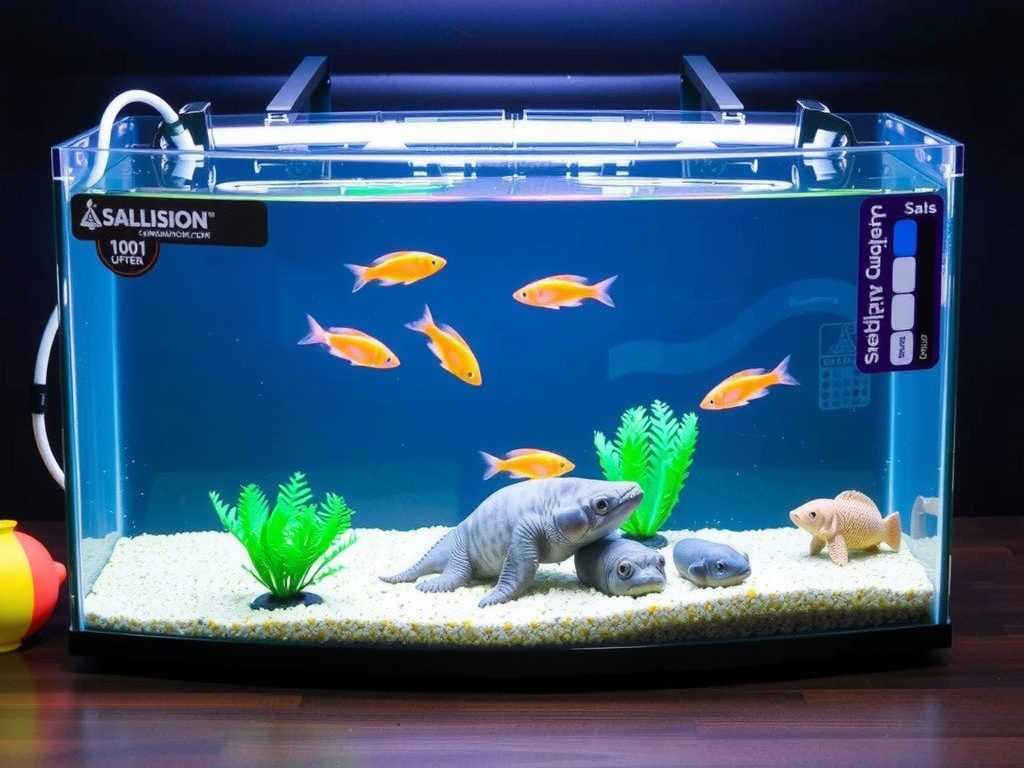
Before comparing products, you must know what you're protecting your tank from. Municipal water is treated for human consumption, not for delicate marine life.
Chlorine and Chloramines: These are the most common disinfectants. While chlorine can gas off with aeration over time, chloramines (a bond of chlorine and ammonia) are far more stable and toxic. A quality conditioner must neutralize both. Leaving chloramines untreated breaks the bond, releasing ammonia—a deadly compound in any aquarium—directly into your tank.
Heavy Metals: Copper, lead, and zinc can leach from pipes. Even in trace amounts, these are particularly harmful to invertebrates like shrimp, snails, and corals. A conditioner that detoxifies heavy metals is non-negotiable for a reef tank.
Other Considerations: Some advanced conditioners also address nitrites, detoxify ammonia, or add protective slime coat supplements to reduce fish stress during water changes.
Core Features to Evaluate in a Saltwater Conditioner
Not all water conditioners are created equal. Here’s a breakdown of the essential features to scrutinize on the label.
1. Efficacy Against Chloramines This is the first box to check. The product must explicitly state it neutralizes chloramines, not just chlorine. As marine biologist Dr. Samantha Reed notes, "In many cities, chloramines have replaced chlorine due to their longevity in the water system. Using a chlorine-only conditioner in a chloramine-treated water supply leaves ammonia behind, creating an immediate biofilter crisis."
2. Heavy Metal Detoxification For tanks with ornamental invertebrates—a cornerstone of most saltwater setups—this is critical. Look for ingredients like sodium thiosulfate (for chlorine/chloramines) compounded with EDTA or similar chelating agents that bind to heavy metals, rendering them inert.
3. Additional Beneficial Additives
- Slime Coat Support: Ingredients like aloe vera or proprietary polymers help rebuild the fish's protective mucus layer, which can be damaged by handling or poor water quality.
- Ammonia/Nitrite Detoxifiers: Useful in emergencies or for new tank setups, these temporarily bind toxic nitrogen compounds into a less harmful form, giving your biological filter time to catch up.
- Vitamin Supplements: Some conditioners include stress-reducing B vitamins to support fish health during water changes.
4. Concentration and Dosage A highly concentrated product may have a higher upfront cost but is more economical long-term. Calculate the cost per gallon treated. Also, ensure the dosage is clear—some are 1 drop per gallon, others 1 ml per 10 gallons.
Choosing Between a Basic and an Advanced Formula
Your specific tank needs should guide your choice.
For a Fish-Only (FO) or Fish-Only-with-Live-Rock (FOWLR) System: A robust conditioner that handles chloramines and heavy metals is sufficient. Focus on value and concentration. While slime coat support is a beneficial extra, the primary goal is removing toxins.
For a Reef Tank with Corals and Sensitive Invertebrates: This demands a premium, comprehensive conditioner. Heavy metal detoxification is paramount. Furthermore, consider conditioners that are labeled as "reef-safe" and free of phosphates or nitrates, which can fuel unwanted algae growth. The best water conditioner for a reef aquarium will often include a blend of detoxifying and protective elements to safeguard everything from delicate SPS corals to cleanup crew snails.
Practical Steps for Selection and Use
Step 1: Analyze Your Source Water. Get a copy of your municipal water report. It will tell you if your provider uses chlorine or chloramines and may list heavy metal concentrations. This report is your starting point for determining your non-negotiable conditioner requirements.
Step 2: Match the Product to Your Livestock. As outlined above, let your tank inhabitants dictate the formula. Never use a freshwater-specific conditioner, as it may lack the necessary strength or components for marine applications.
Step 3: Integrate into Your Water Change Routine. Always treat the new water in a separate mixing container before adding salt mix for saltwater, or after mixing if using pre-mixed saltwater. This ensures the conditioner is evenly distributed and has time to work. Add the conditioner, stir, then add your salt mix and aerate until clear. Never add conditioner directly to the main tank to neutralize new water; it can shock the system.
Step 4: Trust but Verify. Even with a conditioner, use a water test kit for ammonia, especially after a water change, to ensure your product is effectively handling chloramines. Monitoring your invertebrates' behavior is also a good indicator of heavy metal presence.
What is the difference between a water conditioner and a dechlorinator? Think of a dechlorinator as a subset of a conditioner. A basic dechlorinator typically only removes chlorine. A comprehensive water conditioner goes further, neutralizing chloramines, detoxifying heavy metals, and often adding beneficial supplements. For saltwater tanks, a full-spectrum conditioner is strongly recommended.
Can I use a freshwater conditioner in my saltwater tank? It is not advisable. Freshwater conditioners may be formulated for different pH ranges or may not contain strong enough chelators for marine-level heavy metal detoxification. Always choose a product specifically designed for or tested with saltwater aquariums.
How long does water conditioner take to work? Most quality conditioners work instantly upon thorough mixing with the water. Chlorine and chloramine neutralization is immediate. The detoxification of heavy metals is also a rapid chemical process. However, always follow the product's instructions regarding aeration or waiting time before using the treated water.
Selecting the right water conditioner is a simple yet profound act of prevention. By understanding the threats in your tap water and carefully choosing a product that addresses them all—especially chloramines and heavy metals—you build a safer foundation for your aquatic ecosystem. This proactive approach minimizes stress on your fish and protects your invaluable invertebrates, allowing the natural beauty and balance of your saltwater tank to flourish. Your diligence in this initial step pays dividends in the form of vibrant health and captivating underwater scenes.
发表评论