 admin
admin How to Treat Anchor Worms in Saltwater Ornamental Fish: Safe Removal
Discovering a tiny, thread-like worm protruding from your prized saltwater fish is a moment of pure dread for any aquarium hobbyist. This parasite, known as an anchor worm, is more than just an eyesore; it's a serious health threat that can cause severe tissue damage, secondary infections, and significant stress to your aquatic pets. If left untreated, an anchor worm infestation can spread rapidly and lead to fatal outcomes in your display tank or reef system. This comprehensive guide is designed to walk you through the safe and effective steps for anchor worm removal, ensuring you can act confidently and decisively to restore your fish's health and your tank's harmony.
Understanding the Enemy: What Are Anchor Worms?
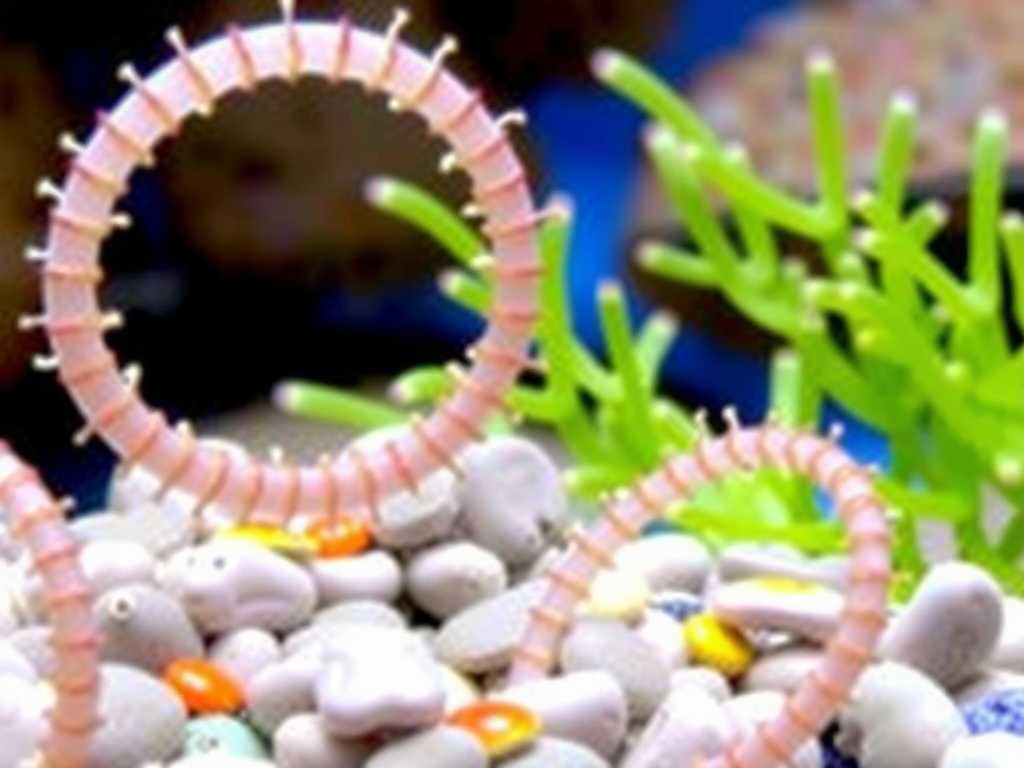
First, it's crucial to know that "anchor worms" are not true worms but large, parasitic crustaceans called Lernaea species. The visible part is the female, which embeds its anchor-shaped head deep into the fish's muscle tissue, with its egg sacs trailing behind. This burrowing causes inflamed, red ulcers that are prime sites for bacterial or fungal infections. They are often introduced through new, unquarantined fish, live foods, or plants.
Immediate Action: Isolating the Infected Fish
Upon confirmation of anchor worms, your first move is to carefully move the affected fish to a separate, bare-bottom quarantine or hospital tank. This step is non-negotiable for several reasons. It allows for targeted treatment without harming sensitive invertebrates, corals, or biological filtration in your main display. It also prevents the parasite's free-swimming larval stages from spreading to other tank inhabitants. A stress-free quarantine environment with excellent water quality is foundational to recovery.
Step-by-Step Guide to Safe Anchor Worm Removal
Manual Removal: The Primary Physical Intervention
With the fish safely in quarantine, manual extraction is the most direct method. This requires calm hands and the right tools.
- Preparation: Use a pair of fine, blunt-tipped tweezers. Have a disinfectant like iodine or hydrogen peroxide ready in a small cup.
- The Process: Gently net and restrain the fish. Using the tweezers, grasp the worm's body as close to the fish's skin as possible. Apply steady, gentle pressure to pull it straight out. Avoid jerking, as the worm's anchor can break off and remain embedded, causing further issues.
- Aftercare: Immediately after removal, swab the wound site with the disinfectant using a cotton swab to prevent infection. Some aquarists recommend applying a topical antibiotic ointment (safe for aquatic use) to the wound. The fish should be returned to the clean quarantine water to recover.
Supportive Bath Treatments for Eradication
Following manual removal, bath treatments in the quarantine tank help eliminate any juvenile stages and promote healing.
- Freshwater Dip: A short-term bath can help dislodge some parasites and provide relief. Use dechlorinated freshwater matched to the quarantine tank's temperature and pH. Immerse the fish for 3-5 minutes while closely monitoring for distress. This is a temporary measure and not a standalone cure.
- Medicated Treatment: The use of specific medications is highly effective. Products containing Potassium Permanganate or certain Organophosphates have a history of use, but their application requires precise dosing and caution. Increasingly, treatments like Praziquantel are recommended for their efficacy against various parasites with a wider safety margin. Always follow the manufacturer's instructions exactly and ensure the medication is suitable for your specific type of saltwater fish.
Treating the Main Display Tank: Breaking the Life Cycle
Treating the infected fish alone is insufficient. The main tank likely harbors the larval stages. You must implement a fallow period.
- The Fallow Period: Remove all fish to the quarantine system for a minimum of 4-6 weeks. This period, maintained at normal tank temperatures, allows any remaining larval anchor worms in the display to complete their life cycle and die off without a host.
- Enhanced Filtration: During this period, increase water changes and consider running a UV sterilizer. A UV unit can help kill free-swimming larval stages in the water column, adding an extra layer of security.
Preventing Future Infestations: A Proactive Approach
The best treatment is always prevention. Establishing a strict quarantine protocol for all new arrivals is the single most effective practice in marine fishkeeping. A dedicated tank for observing new fish for 3-4 weeks allows you to identify and treat issues like anchor worms before they ever reach your display. Furthermore, sourcing livestock from reputable suppliers and carefully inspecting any live food or coral additions can drastically reduce risk.
Frequently Asked Questions
Can anchor worms spread to corals and invertebrates? No, anchor worms are obligate parasites of fish. They cannot attach to or infect corals, shrimp, snails, or other invertebrates. However, the medications used to treat them can be highly toxic to these sensitive organisms, which is why treatment in a separate fish-only hospital tank is critical.
Is it safe to use over-the-counter parasite medications for anchor worms? Caution is advised. Many common "broad-spectrum" parasite treatments are ineffective against the adult, embedded stage of anchor worms. Always verify that the active ingredient (such as Praziquantel) is listed as effective against crustacean parasites like Lernaea. Consulting with a veterinarian specializing in aquatic animals is recommended for severe cases.
How long does it take for a fish to recover from anchor worm wounds? With proper wound care and excellent water quality, visible healing often begins within a week. Complete tissue regeneration and the disappearance of redness may take several weeks. The fish's overall recovery speed depends on its nutritional status, the severity of the infestation, and the absence of secondary infections. Providing a high-quality, vitamin-enriched diet during recovery is essential.
Successfully managing an anchor worm outbreak hinges on a swift, multi-pronged strategy: prompt isolation, careful physical removal, supportive medication in a controlled environment, and a disciplined fallow period for your main aquarium. By integrating these practices with a robust preventive quarantine protocol, you protect not only the immediate health of your fish but also the long-term stability and beauty of your saltwater ecosystem. Consistency in observation and a commitment to proactive care are your most reliable tools in ensuring such parasites remain a rare challenge rather than a common crisis.
发表评论