 admin
admin How to Choose Lighting for Saltwater Ornamental Fish: Boost Color and Vitality
You've invested in a stunning saltwater aquarium, carefully selected vibrant fish like clownfish, tangs, and wrasses, and painstakingly arranged your live rock. Yet, something's off. Their colors seem dull, washed out under a harsh, unnatural glow. The corals you dream of keeping remain out of reach, and your tank lacks the breathtaking, shimmering depth of the ocean. The culprit? Inadequate or incorrect lighting. Choosing the right aquarium lighting isn't just about visibility; it's the fundamental energy source that dictates the health, behavior, and most strikingly, the color of your saltwater ornamental fish. The wrong spectrum can stress fish and fade their brilliant hues, while the right light can make them pop with iridescent beauty.
This guide will illuminate the path to selecting the perfect lighting system. We'll move beyond basic specs to focus on how light directly impacts your fish's well-being and appearance, ensuring your underwater world thrives in its full, radiant glory.
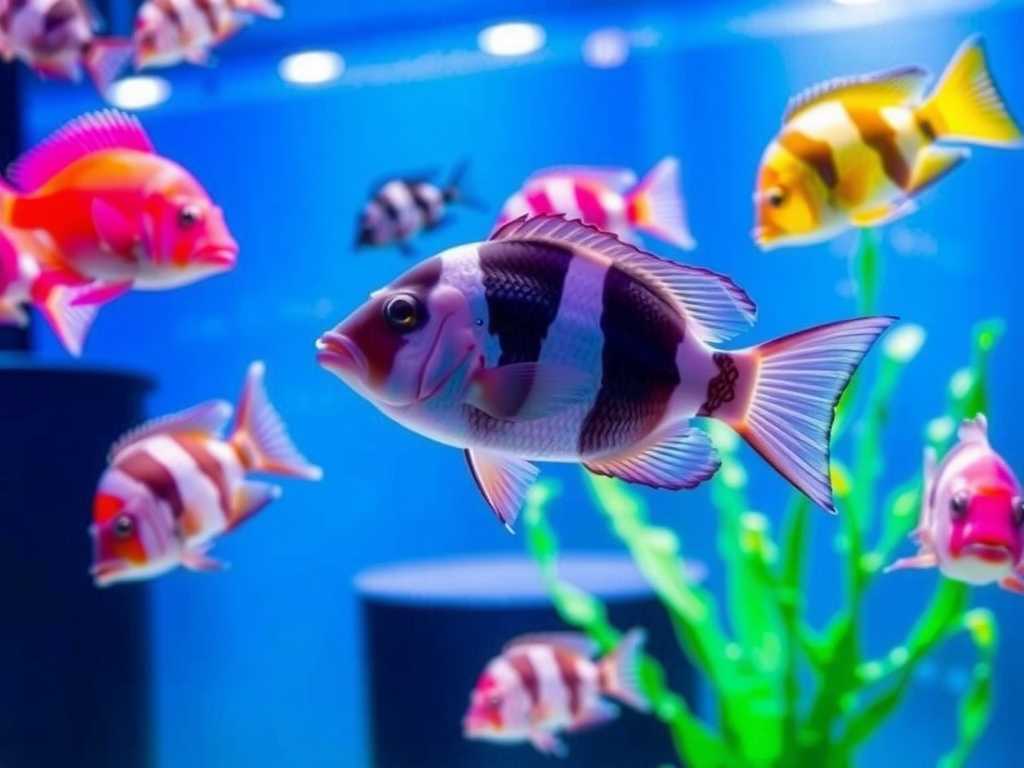
Understanding Light's Role: More Than Just Illumination
Light in a saltwater aquarium serves three critical functions: enabling vision for you and your fish, supporting biological rhythms, and most importantly for this discussion, influencing pigmentation and color presentation. Fish don't see light the same way we do. Their vision often extends into the ultraviolet (UV) range, and the light spectrum in your tank can dramatically affect how their colors are expressed.
Many saltwater ornamental fish possess structural coloration and fluorescent proteins. These don't just reflect light; they absorb specific wavelengths and re-emit them as vibrant blues, greens, and reds. Without light containing these specific wavelengths—particularly in the blue and violet spectrum—these colors simply won't shine. A study published in the Journal of Fish Biology noted that the spectral quality of light can influence stress hormones and overall vitality in captive fish, directly linking lighting to health.
Key Factors for Choosing Fish-Friendly Lighting
Spectrum: The Color of Your Light
The spectrum, measured in Kelvin (K), is the most crucial factor for enhancing fish color. It describes the color temperature of the light.
- High Kelvin (14,000K - 20,000K): This produces a crisp, deep blue to white light that closely mimics the natural light found on coral reefs at moderate depths. This spectrum is exceptional at exciting the fluorescent pigments in fish and corals. Blues, purples, and greens in your fish will appear more intense and vibrant. It also creates that desirable "ocean blue" aesthetic.
- Medium Kelvin (10,000K - 14,000K): This offers a bright, white light with a slight yellowish tint. It's excellent for general viewing and promotes strong growth in photosynthetic organisms. While it makes reds and oranges pop nicely, it may not maximize the fluorescence of blue-hued fish as effectively as a higher Kelvin bulb.
- Full-Spectrum/Adjustable LEDs: Modern LED systems are the gold standard. They allow you to customize the spectrum by blending different colored diodes (royal blue, cool white, violet, UV). This means you can create a sunrise, a midday reef peak, and a moonlit night, all while ensuring the perfect spectrum is present to boost your fish's colors throughout the day.
Intensity: How Bright Should It Be?
Intensity, measured in PAR (Photosynthetically Active Radiation), is vital for corals but also affects fish. Too much intensity can cause stress, leading fish to hide or lose color. Too little makes the tank look dim and fails to excite pigments.
- Fish-Only Tanks: Lower intensity is sufficient. Focus on spectrum for color enhancement.
- Reef Tanks with Corals: Intensity must be higher to support coral symbionts. However, you must provide ample shaded areas and caves where fish can retreat from the bright light to feel secure. Acclimating all tank inhabitants to new, brighter lights slowly over 2-4 weeks is non-negotiable.
Photoperiod: Mimicking the Natural Day Cycle
A consistent light schedule regulates fish behavior, feeding, and rest. A typical photoperiod of 8-10 hours is standard. Using LED controllers to simulate a gradual sunrise and sunset reduces stress compared to sudden, jarring light switches. This natural rhythm promotes natural behaviors, which in turn supports overall health and sustained coloration.
Lighting Technologies Compared for Color Enhancement
LED Lighting: The Top Choice
LEDs dominate modern saltwater aquariums for excellent reasons. Their energy efficiency, long lifespan, and minimal heat output are just the start. For color boosting, they are unparalleled. As marine aquarist expert Bob Fenner notes, "The controllability of modern LEDs allows hobbyists to fine-tune the light spectrum in ways that were impossible with older technologies, directly impacting the expression of carotenoid and fluorescent-based coloration in fish." You can accentuate specific color groups, making every fish look its best.
T5 Fluorescent: A Trusted Performer
T5 HO fluorescent fixtures provide excellent, even light distribution with a blend of bulbs. By combining actinic (blue) bulbs with daylight bulbs, you can create a spectrum that enhances fish colors beautifully. They are less customizable than LEDs but offer proven performance and are often praised for their smooth, shadow-reducing light.
Metal Halide: The Classic "Shimmer"
Metal Halides produce an intense, point-source light that creates dynamic shimmer lines, reminiscent of sunlight piercing the water's surface. This can make fish scales glimmer spectacularly. However, they run very hot, are less energy-efficient, and offer limited spectrum control compared to LEDs. They are often used in combination with LED or T5 actinic supplementation.
Step-by-Step: Selecting Your System to Maximize Fish Color
- Define Your Tank's Purpose. Is it a Fish-Only With Live Rock (FOWLR) system or a Reef Tank? For FOWLR, prioritize spectrum (aim for 14,000K-18,000K range or adjustable LEDs) over extreme intensity. For reefs, you need a system that delivers both the correct spectrum and sufficient PAR for your chosen corals.
- Research Your Ornamental Fish. Some species are more light-sensitive. For instance, many deep-water or twilight-active fish prefer lower light and plenty of hiding spots. Knowing your fishes' natural habitat will guide your intensity and aquascape design.
- Choose an Adjustable LED System. For most hobbyists aiming to boost saltwater fish coloration, a high-quality, controllable LED fixture is the best investment. Look for models that allow independent control of blue, white, and violet channels.
- Program a Naturalist Schedule. Set your lights to ramp up slowly to a peak period where blues and violets are prominent to excite fluorescence, perhaps with a slight increase in whites for midday viewing. Ensure a long enough period of predominantly blue light to make those colors pop.
- Observe and Adapt. Watch your fish after installation. If they are hiding, squinting, or appear washed out, the intensity may be too high or the spectrum wrong. Adjust your settings gradually. Their behavior and appearance are your best guides.
What is the best color light to make my saltwater fish colors pop? Light in the blue and violet spectrum (14,000K-20,000K) is most effective at enhancing the fluorescent and iridescent pigments in saltwater fish. Modern LEDs allow you to emphasize these wavelengths during the viewing day to maximize color vibrancy.
Can aquarium lighting be too bright for my fish? Absolutely. Excessive light intensity is a common source of stress, leading to faded colors, increased hiding, and a weakened immune system. It is essential to provide shaded areas and acclimate all livestock slowly to any new, brighter lighting system.
How long should my aquarium lights be on each day? A consistent photoperiod of 8 to 10 hours is recommended for most tanks. Using a timer or controller to automate this cycle, including gradual sunrise and sunset phases, reduces stress and supports the natural circadian rhythms of your fish, promoting long-term health and color.
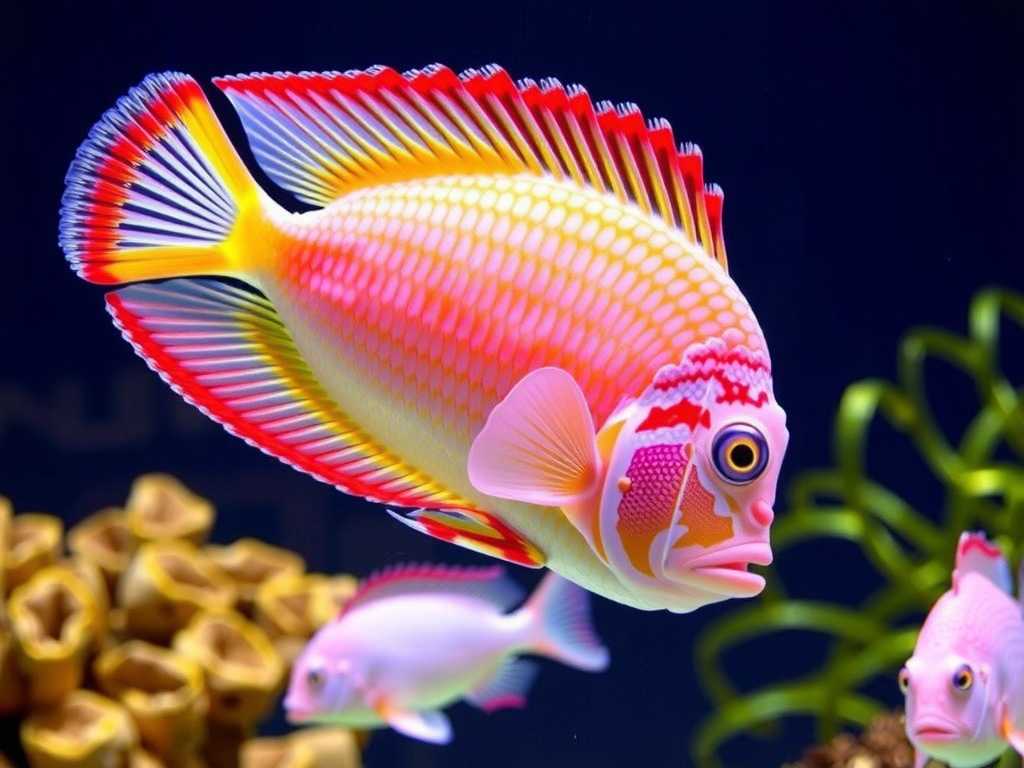
Selecting the ideal lighting transcends simple aesthetics; it is an active investment in the well-being and visual splendor of your saltwater ornamental fish. By prioritizing a spectrum rich in blues and violets, employing appropriate intensity, and committing to a consistent natural cycle, you provide the energy needed for their colors to truly flourish. The right light transforms your aquarium from a container of water into a dynamic, living slice of the reef, where every flash of color is a testament to a carefully crafted environment. Start with understanding the needs of your specific aquatic community, invest in controllable technology, and let the vibrant results guide your final adjustments.
发表评论