 admin
admin How to Reduce Stress in Saltwater Ornamental Fish: Calm Tanks for Thriving Livestock
Watching your vibrant saltwater fish fade in color, hide constantly, or refuse to eat is a heart-sinking experience for any aquarist. Often, the root cause isn't a visible disease but chronic, debilitating stress. A stressed fish has a suppressed immune system, making it a target for parasites like ich and velvet. Creating a truly calm tank isn't just about aesthetics; it's a fundamental requirement for the health and longevity of your delicate ornamental fish. This guide will walk you through the science and practice of building a low-stress marine environment, addressing the core question of how to reduce stress in saltwater ornamental fish through proven, actionable methods.
Understanding the Language of Stress in Marine Fish
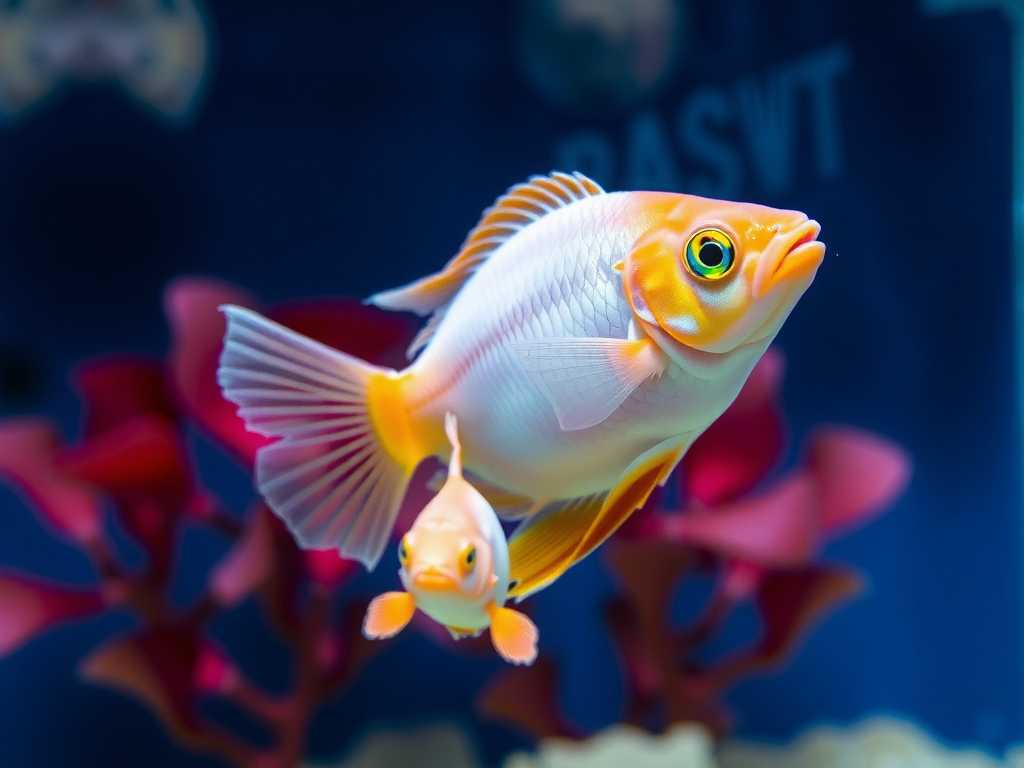
Fish communicate their discomfort through behavior, not words. Recognizing these signs is the first step in intervention. Common indicators include rapid gill movement (even in well-oxygenated water), loss of vibrant coloration, frantic swimming or crashing into decor, and prolonged hiding. A fish that refuses food is sending a major distress signal. Physical signs like frayed fins or cloudy eyes often follow behavioral changes. By learning this language, you become proactive rather than reactive in your care.
The Foundation: Mastering Water Quality and Stability
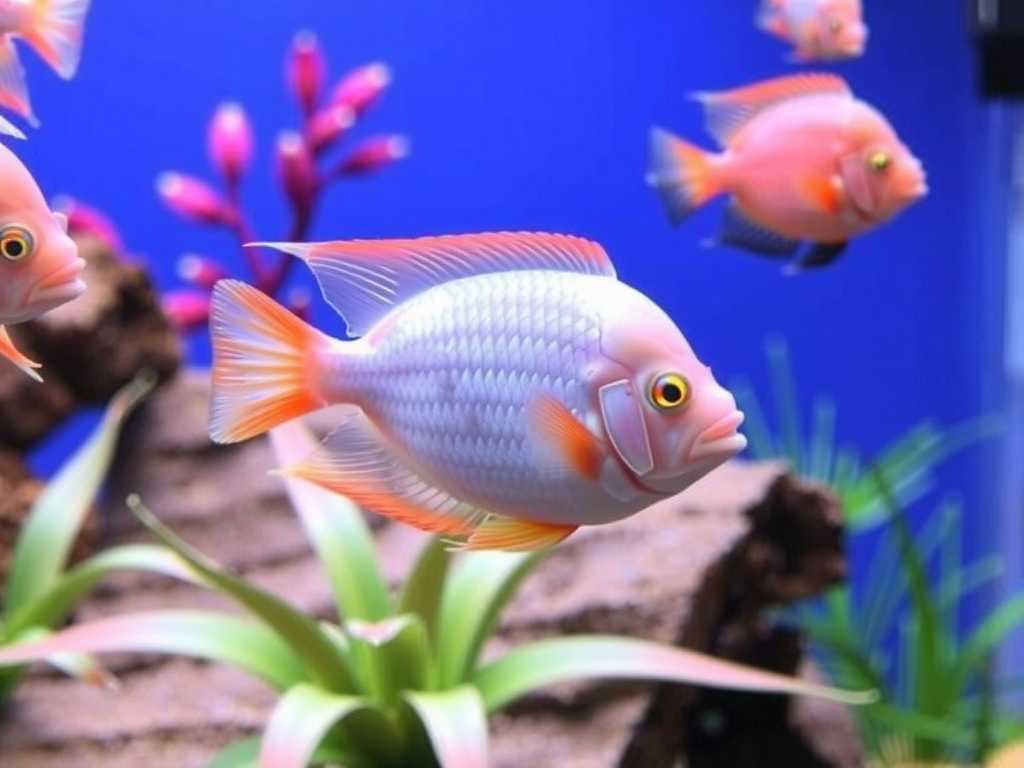
In the ocean, parameters are remarkably stable. In our closed systems, fluctuation is the primary stressor. The goal is not just "good" water, but predictable, unchanging conditions.
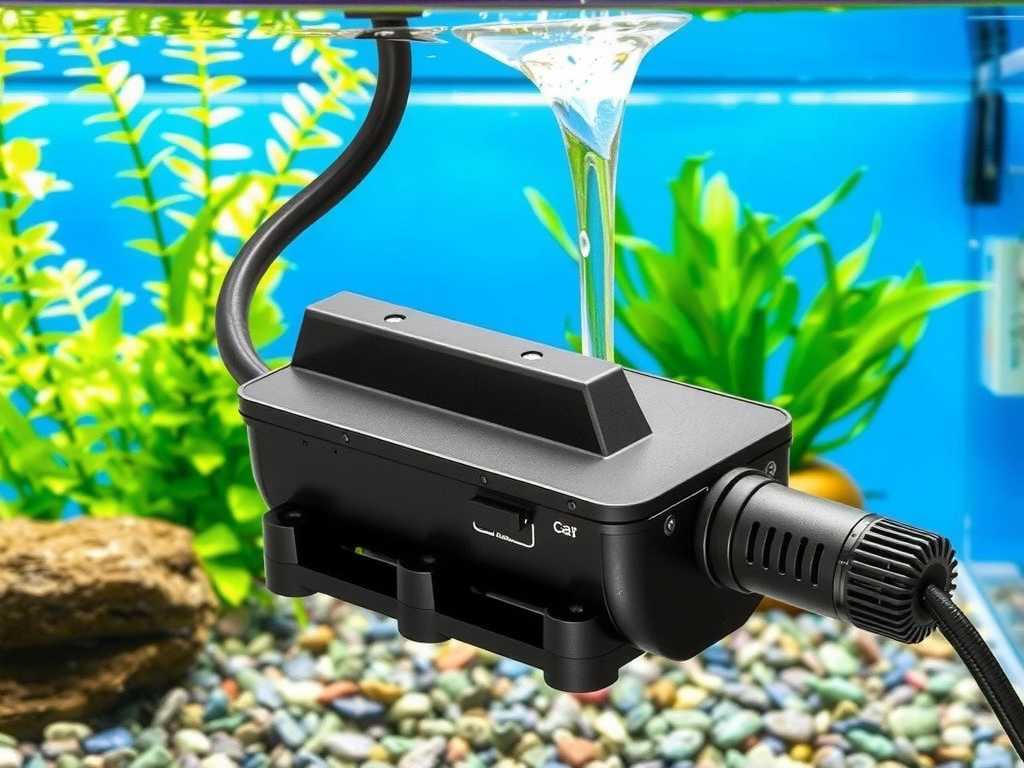
- Parameter Precision: Ammonia and nitrite must always be zero. Nitrate and phosphate should be kept low and consistent through regular maintenance and filtration. However, the most critical factor is stability in the core parameters: salinity, temperature, and pH. Use a reliable auto-top-off system to maintain salinity. Invest in a high-quality heater paired with a controller to prevent deadly temperature swings. Even minor daily drifts can wear down a fish's resilience.
- The Silent Killer: Osmotic Stress: For a saltwater fish, maintaining internal fluid balance is a constant battle. Poor water quality or incorrect salinity forces them to expend enormous energy on osmoregulation, leaving little for immune function and growth. Consistent, clean water is the single greatest gift you can give to reduce stress in your saltwater aquarium.
Designing a Habitat for Security, Not Just Beauty
An empty tank with bare walls is a terrifying place for prey species. Your aquascape should provide both open swimming space and ample refuge.
- Strategic Hiding Places: Create multiple hiding spots using live rock, ensuring they are accessible and sized appropriately for all tank inhabitants. Through-holes and caves allow fish to escape line-of-sight, which is crucial for reducing aggression and providing rest. For shy species like firefish or cardinalfish, these hideaways are non-negotiable for creating a calm saltwater fish tank.
- The Power of Dither Fish: Introducing a small, peaceful, and confident school of fish (like certain chromis or anthias) can have a remarkable calming effect. Their normal swimming behavior in the open signals to more nervous tankmates that the environment is safe, encouraging them to venture out.
The Social Blueprint: Curbing Aggression and Competition
Incompatibility is a direct route to a stress-filled tank. Research is paramount.
- Quarantine All New Arrivals: This non-negotiable practice prevents disease introduction and allows new fish to recover from transport stress and begin feeding in a quiet, isolated environment. A fish battling illness in a display tank is under immense, often fatal, duress.
- Thoughtful Introduction Order: Generally, introduce less aggressive and more territorial species last. Rearranging rockwork slightly when adding a new fish can help reset territorial boundaries.
- Providing Food Zones: Use feeding clips or target feed to ensure passive fish get their share. Competition for food is a major stress inducer. For species that graze constantly, like many tangs, offering nori on a clip satisfies natural behavior and reduces nipping at tankmates.
Optimizing the Sensory Environment
Fish perceive their world through senses we often overlook. Managing these inputs is key to lowering anxiety in marine fish.
- Appropriate Lighting: Mimic a natural photoperiod (typically 8-10 hours of light). Avoid sudden "all-on" or "all-off" scenarios; use ramp-up/down features if possible. Ensure there are shaded areas in the tank for retreat.
- Flow and Vibration: While proper flow is essential for health, chaotic, direct currents can exhaust fish. Create a varied flow pattern using wavemakers. Place the tank on a stable stand away from loud subwoofers or constant foot traffic, as vibrations can be unsettling.
- Tank Traffic and Location: Position the tank in a low-traffic area of your home. Constant movement outside the glass can be perceived as a threat, especially for skittish species.
Routine as a Tool for Calm
Fish thrive on predictability. Establishing a consistent routine reduces anxiety about when food is coming or when the environment might change.
- Consistent Feeding Times: Feed smaller amounts 2-3 times daily at roughly the same times. This is healthier for their metabolism and builds trust.
- Non-Invasive Maintenance: Perform water changes and cleaning on a regular schedule. Move slowly and deliberately around the tank. Avoid sudden hand movements inside the aquarium unless necessary.
Expert Insight: The Physiology of Stress
As noted by marine aquaculture researchers, chronic stress in fish leads to elevated levels of cortisol, a hormone that, over time, inhibits growth, reproduction, and immune response. A study on ornamental fish transport highlighted that environmental stability was more critical for short-term survival than any single water parameter being "perfect." This underscores that our goal is to create a boringly predictable world for our fish—a sanctuary free from surprises.
Addressing Your Top Concerns
My new fish is hiding and hasn't eaten in three days. What should I do? First, ensure your water parameters are perfect. Turn off bright lights and minimize activity near the tank. Try offering a variety of high-quality foods, including live or frozen options like brine shrimp or mysis, in the late afternoon or evening when some fish feel more secure. If the fish shows no interest after a week in a stable quarantine tank, consult a vet specializing in aquatic species.
How can I tell if aggression is causing stress, and how do I stop it? Signs include torn fins, missing scales, one fish relentlessly chasing another, or a fish being confined to a single corner. Solutions depend on the species but can include: removing the aggressor (temporarily or permanently), adding more visual barriers with rockwork, using a tank divider, or, as a last resort, rehoming one of the fish. Always have a backup plan for aggressive specimens.
Are there any "quick fix" products to calm a stressed fish? While water conditioners that neutralize ammonia or chlorines are essential, there is no true chemical shortcut for chronic stress. Products claiming to reduce stress often just coat slime coats or contain mild sedatives; they treat symptoms, not the cause. The only effective solution is to methodically identify and correct the underlying environmental or social problem in the aquarium.
Creating a calm saltwater aquarium is an exercise in empathy and observation. It requires us to see the world from the perspective of our aquatic livestock. By prioritizing stability over fluctuation, security over barren beauty, and compatibility over impulse, you build more than just a tank—you cultivate a resilient ecosystem. The reward is a display of natural, confident behaviors and vibrant fish that are not merely surviving, but thriving. Their health is the ultimate measure of your success.
发表评论