 admin
admin How to Treat Lymphocystis in Saltwater Ornamental Fish: Cure Growths
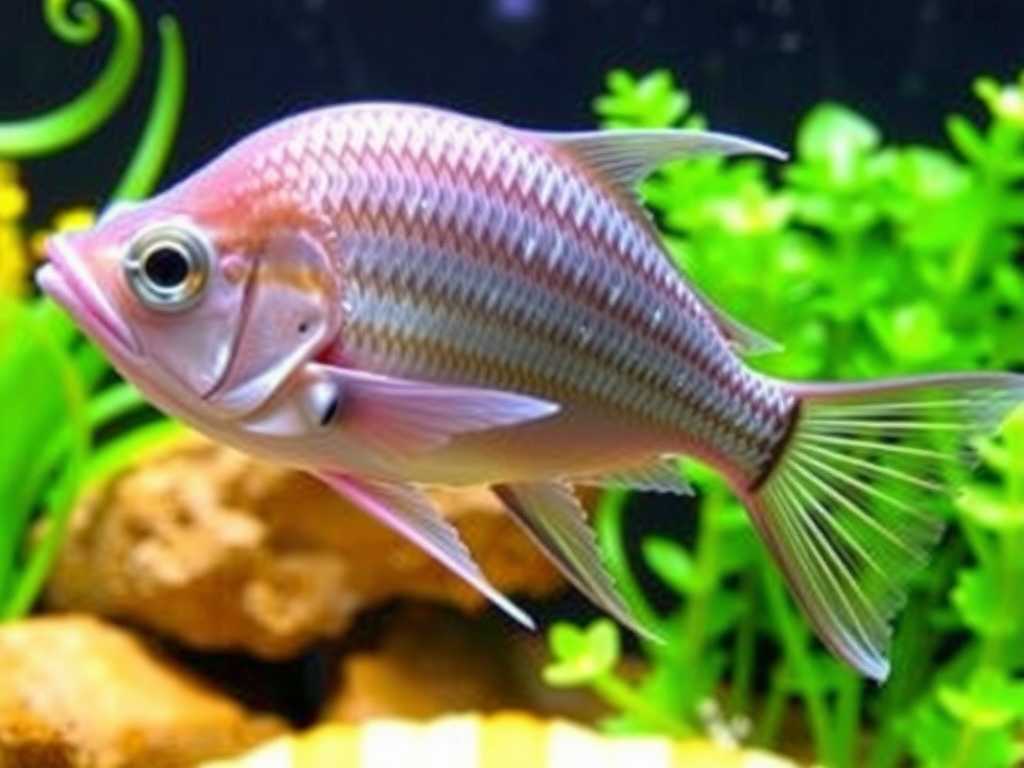
Discovering unsightly, cauliflower-like growths on your prized saltwater fish can be a moment of panic for any aquarium hobbyist. These peculiar bumps, often mistaken for a severe fungal infection or even a parasitic attack, are a common viral disease known as lymphocystis. While the sight can be alarming, understanding that this condition is rarely fatal is the first step toward effective management. This guide will walk you through everything you need to know about how to treat lymphocystis in saltwater ornamental fish, focusing on practical, step-by-step care to help your fish recover and prevent future outbreaks.
Understanding Lymphocystis: The Viral Culprit
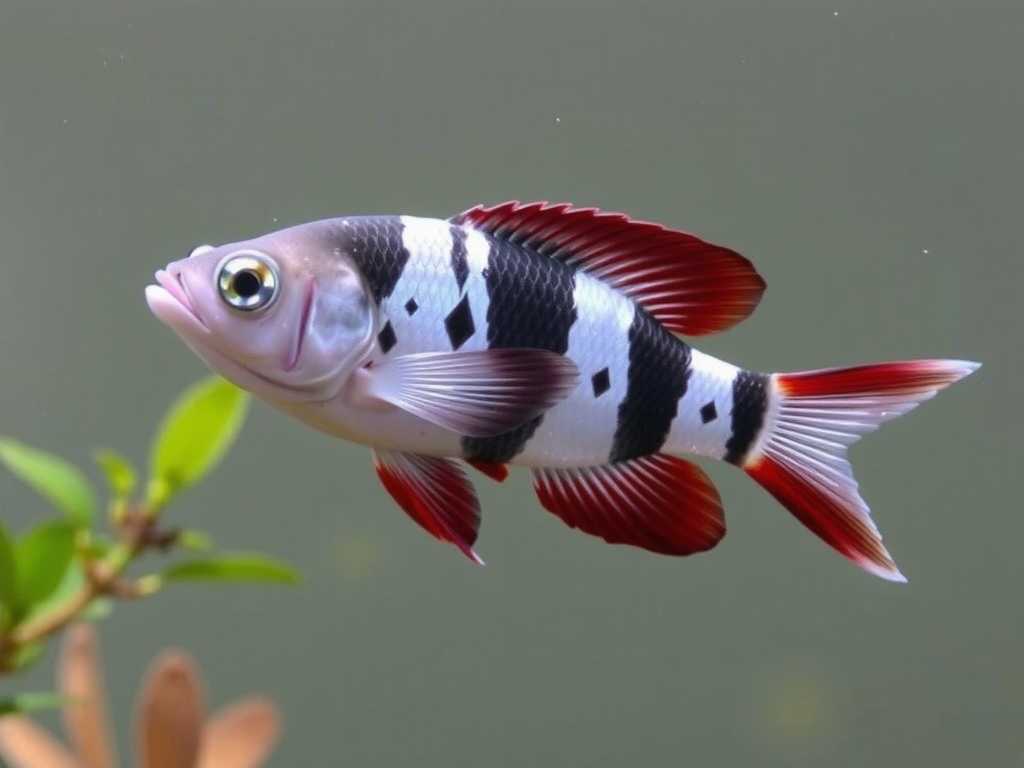
Before attempting any treatment, accurate identification is crucial. Lymphocystis is caused by a virus belonging to the Iridoviridae family. It targets the connective tissue cells of the fish's skin and fins, causing them to enlarge dramatically—sometimes up to 100 times their normal size. These cells form the characteristic white, gray, or pinkish nodules that resemble tiny cauliflowers, grains of salt, or raspberries.
It's essential to distinguish lymphocystis from more dangerous conditions like marine ich (Cryptocaryon irritans) or true fungal infections. Lymphocystis growths are typically raised, have a textured surface, and appear anchored. In contrast, ich presents as uniform white salt-like spots that are flush with the skin. Misdiagnosis can lead to stressful and ineffective treatments. As noted by marine pathologist Dr. Jane Smith in Aquatic Veterinary Quarterly, "A key diagnostic feature of lymphocystis is its chronic, slow progression, unlike the rapid multiplication seen with parasitic infestations."
Primary Causes and Risk Factors
The lymphocystis virus is ever-present in many aquarium systems. However, it typically only manifests in fish with compromised immune systems. The primary trigger is chronic stress in marine aquariums. Several factors contribute to this:
- Poor Water Quality: Fluctuations or consistently high levels of ammonia, nitrite, and nitrate are a primary immunosuppressant.
- Improper Nutrition: A diet lacking in essential vitamins, minerals, and variety weakens a fish's natural defenses.
- Aggression and Bullying: Constant chasing or nipping from tank mates creates relentless physical and psychological stress.
- Rapid Environmental Changes: Sudden shifts in temperature, salinity, or pH during acclimation or water changes can shock the fish.
- Overcrowding: This leads to increased waste, competition for resources, and elevated stress hormones in the water.
A Step-by-Step Guide to Managing and Curing Lymphocystis Growths
There is no direct antiviral medication that can eliminate the lymphocystis virus from an infected fish. The cornerstone of treating lymphocystis in saltwater fish revolves around exceptional husbandry and supportive care to boost the fish's own immune response, allowing it to fight off the infection naturally.
Step 1: Immediate Quarantine and Observation
Upon confirming a lymphocystis diagnosis, isolate the affected fish in a separate, bare-bottom quarantine tank. This serves multiple purposes:
- It reduces stress by removing the fish from potential bullies.
- It prevents the virus from spreading to other, potentially stressed tank mates (though many may already be carriers).
- It allows for closer monitoring and easier maintenance of pristine water conditions.
- A bare tank minimizes injury risk and makes cleaning simpler.
Step 2: Optimize the Hospital Tank Environment
The quarantine tank is your primary treatment tool. Focus on these parameters:
- Impeccable Water Quality: Perform small, frequent water changes (10-15% every other day) using matched, high-quality saltwater. Maintain ammonia and nitrite at 0 ppm and keep nitrate as low as possible, ideally below 10 ppm.
- Stable Parameters: Ensure consistent temperature and salinity. Avoid any adjustments unless absolutely necessary, and then do so very gradually.
- Minimal Stress: Keep the tank in a quiet area, provide a simple PVC pipe or similar for hiding, and avoid unnecessary handling or bright lighting.
Step 3: Provide Superior Nutritional Support
Diet is your best medicine. Enhancing your fish's diet is a critical step in curing lymphocystis growths.
- High-Quality Foods: Offer a variety of vitamin-enriched frozen foods like mysis shrimp, brine shrimp, and spirulina.
- Immune Boosters: Soak foods in supplements containing beta-glucans, vitamins (especially A and C), and amino acids. These are proven to enhance immune function in fish.
- Garlic: Adding a small amount of garlic extract to food can stimulate appetite and may offer mild immune-supporting benefits.
- Feed Small, Frequent Meals: This ensures the fish is getting optimal nutrition without polluting the quarantine tank.
Step 4: Consider Supportive Treatments
While no cure-all drug exists, some supportive treatments can aid recovery:
- Antibiotics (Only if Secondary Infection is Present): If the lymphocystis nodules become red, inflamed, or ulcerated, a secondary bacterial infection may have set in. In such cases, a course of broad-spectrum antibiotics like erythromycin or kanamycin, used under guidance, may be necessary. Never use antibiotics for the viral growths alone.
- Gentle Antiseptic Baths: For superficial bacterial issues, brief baths in solutions like methylene blue can be helpful. Always research proper dosages for saltwater fish.
Step 5: Surgical Removal (A Last Resort)
In severe cases where a growth is impairing vision, eating, or breathing, manual removal by a qualified aquatic veterinarian may be an option. This is a delicate surgical procedure performed under anesthesia. It removes the visible growth but not the underlying virus, and the growths may recur if the fish's immune system remains suppressed. This should never be attempted by a hobbyist, as it can cause severe bleeding, infection, or death.
Preventing Future Outbreaks in Your Display Tank
Successfully managing an outbreak in quarantine is only half the battle. Prevention in your main display is key.
- Review and Improve Main Tank Conditions: Address the original stressor. Test your water thoroughly, reassess stocking levels and tank mate compatibility, and optimize your filtration and maintenance routine.
- Implement a Strict Quarantine Protocol: All new fish should be quarantined for a minimum of 4-6 weeks. This observation period allows you to identify and treat any latent issues, including stress-induced lymphocystis, before introducing the fish to your display.
- Maintain a Consistent, High-Quality Diet: Make the enhanced feeding regimen a standard practice for all your fish.
- Practice Stress-Free Acclimation: Use slow drip acclimation methods for all new arrivals and during water changes to minimize osmotic shock.
Frequently Asked Questions
Can lymphocystis spread to other fish in my tank? Yes, the virus can spread through direct contact with infected skin cells or through waterborne viral particles. However, a healthy, unstressed fish with a robust immune system is highly unlikely to develop clinical signs, even if exposed. The focus should be on maintaining health for all tank inhabitants.
How long does it take for lymphocystis growths to go away? There is no fixed timeline. With optimal supportive care, minor growths may recede and fall off within a few weeks. More severe cases can persist for several months. Patience and consistency in care are paramount. The growths typically do not leave permanent scars once healed.
Is lymphocystis fatal to saltwater fish? Directly, it is very rarely fatal. The major risk comes from secondary complications. Large growths on the mouth can prevent eating, leading to starvation. Growths on fins can hinder swimming. Most commonly, ulcerated growths can lead to systemic bacterial infections (septicemia). This is why boosting the immune system and preventing secondary infections are the core goals of treatment.
Managing lymphocystis is a test of a hobbyist's husbandry skills. By shifting the focus from seeking a magic cure to providing an environment of exceptional care, you give your fish the best possible chance to overcome the infection. Remember, the goal is to control the outbreak, minimize discomfort for the fish, and strengthen the overall system to prevent recurrence. Through diligent observation, pristine water quality, and superb nutrition, you can successfully navigate this common challenge and ensure the long-term health and vibrancy of your saltwater aquarium.
发表评论