 admin
admin How to Choose Powerhead for Saltwater Ornamental Fish Tanks: Mastering Water Flow
You've invested in a stunning saltwater aquarium, carefully selected your vibrant fish and corals, and achieved crystal-clear water. Yet, something's off. Your corals aren't thriving as expected, debris settles in corners, and some fish seem to avoid certain areas of the tank. The culprit is often one of the most overlooked yet critical components of a reef ecosystem: water flow. Choosing the right powerhead for your saltwater ornamental fish tank isn't just about creating a current; it's about replicating the dynamic, life-giving forces of the ocean. Get it wrong, and you limit the health and beauty of your entire aquatic community. Get it right, and you unlock the secret to a truly thriving, natural-looking reef.
This guide will demystify the process, helping you select the perfect water flow solution tailored to your specific tank's needs.
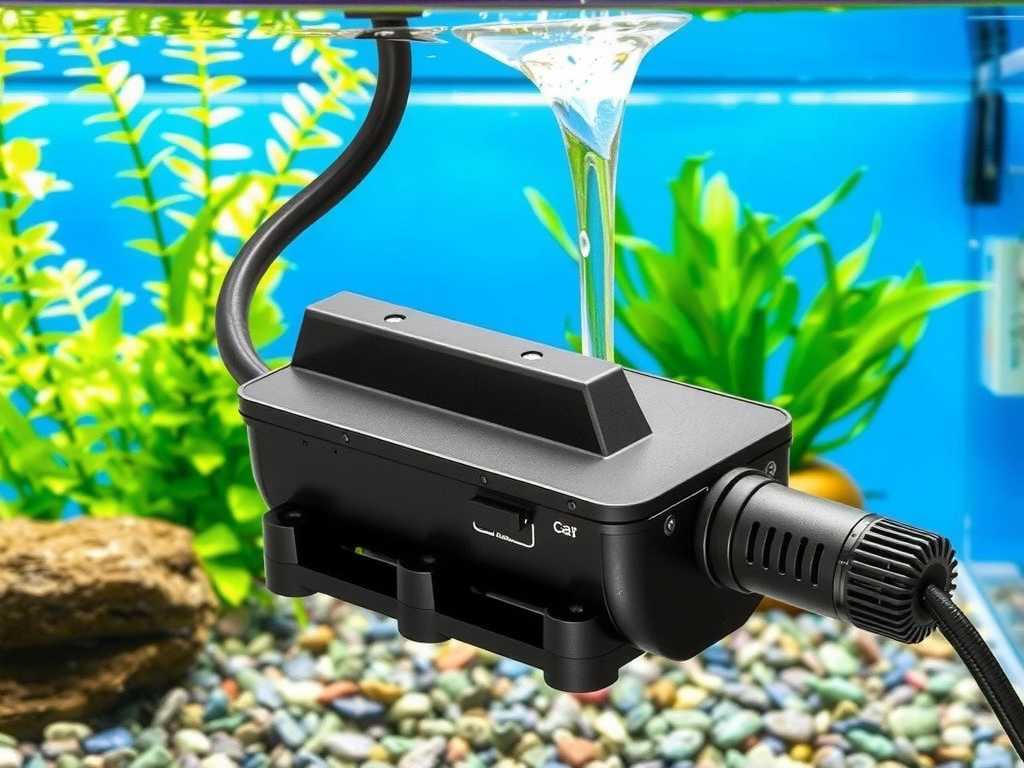
Understanding Why Water Flow is Non-Negotiable
In the ocean, corals and fish are constantly bathed in complex, multi-directional currents. This isn't a gentle stream but a powerful, chaotic, and vital element. In your aquarium, a powerhead's job is to recreate this environment. Stagnant water is a death sentence for a reef tank. Proper flow ensures every corner receives fresh, oxygen-rich water while carrying away waste.
Without adequate circulation, detritus accumulates, creating pockets of low oxygen and high nutrients where harmful bacteria thrive. For corals, especially SPS (Small Polyp Stony) and LPS (Large Polyp Stony) varieties, flow is how they "breathe" and feed. It carries dissolved nutrients and microscopic food particles to their stationary forms and efficiently whisks away their metabolic waste. A 2021 report by the Global Reefkeeping Initiative emphasized that improper flow was a leading factor in preventable coral stress and slow growth in captive systems.
Key Factors to Consider Before Buying a Powerhead
Selecting a powerhead isn't a one-size-fits-all decision. You must evaluate several aspects of your aquarium to make an informed choice.
1. Tank Size, Shape, and Layout Your tank's dimensions are the starting point. Manufacturers provide a "flow rate" measured in gallons per hour (GPH). A common baseline recommendation is to achieve a total turnover of 20 to 50 times your tank's volume per hour. For a 50-gallon tank, this means a total flow between 1,000 and 2,500 GPH.
However, this is just a starting point. A long, shallow tank will need a different flow pattern than a tall, narrow one. Your rockwork (aquascape) dramatically impacts flow. Dense, complex structures create dead spots behind them, requiring strategic powerhead placement to overcome.
2. Livestock Requirements: From Gentle to Torrential Your inhabitants dictate the flow intensity.
- Fish-Only or Soft Coral Tanks: These setups, featuring fish like clownfish, angelfish, and soft corals such as mushrooms and leathers, require moderate flow. Aim for the lower end of the turnover range (20-30x). The goal is to keep water moving gently without blasting your more delicate specimens.
- Mixed Reef Tanks (LPS & SPS): This is where flow becomes critical. LPS corals like Hammers and Torches enjoy strong, indirect, and pulsing flow. SPS corals like Acropora and Montipora thrive under the strongest, most random and turbulent flow you can provide, often needing 40-50x turnover or more. As noted by marine aquarist expert Ryan Chandler, "The difference between an SPS coral surviving and exploding with color and growth often comes down to the quality and randomness of the water movement, not just the raw power."
3. Flow Pattern and Technology: Wave Makers vs. Powerheads The old method of a single, unidirectional powerhead is outdated for reef tanks. Modern devices offer sophisticated flow patterns.
- Standard Powerheads: Provide a constant, direct stream. Useful for supplemental flow in specific areas but can create harsh, localized currents.
- Wavemakers/Circulation Pumps: These are the new standard. They can operate in various modes—pulse, wave, random, lagoon, reef crest—to create natural, chaotic flow that avoids dead spots and prevents corals from adapting to a single direction. This variability is key to mimicking the ocean.
4. Controllability and Integration Modern powerheads offer game-changing features. Bluetooth or Wi-Fi connectivity allows you to control flow patterns, intensity, and schedules directly from a smartphone app. You can simulate calm nights and stormy afternoons, or sync multiple pumps for coordinated flow. Many can also integrate with broader aquarium controllers, becoming part of an automated ecosystem that manages lights, pumps, and dosers in unison.
A Step-by-Step Guide to Selecting and Setting Up Your System
Step 1: Calculate Your Total Flow Needs Start with your tank's net volume (after accounting for rock and sand). Multiply this by your target turnover rate based on livestock. For a 75-gallon mixed reef, aiming for 40x turnover: 75 x 40 = 3,000 GPH total needed.
Step 2: Choose the Number and Type of Pumps One powerful pump often creates a sandstorm in one area and a dead zone in another. It's almost always better to use multiple, smaller pumps. For our 75-gallon example, two controllable wavemakers each rated at 1,500-2,000 GPH would be ideal. Place them on opposite sides or the back wall to create opposing currents that collide and create random turbulence.
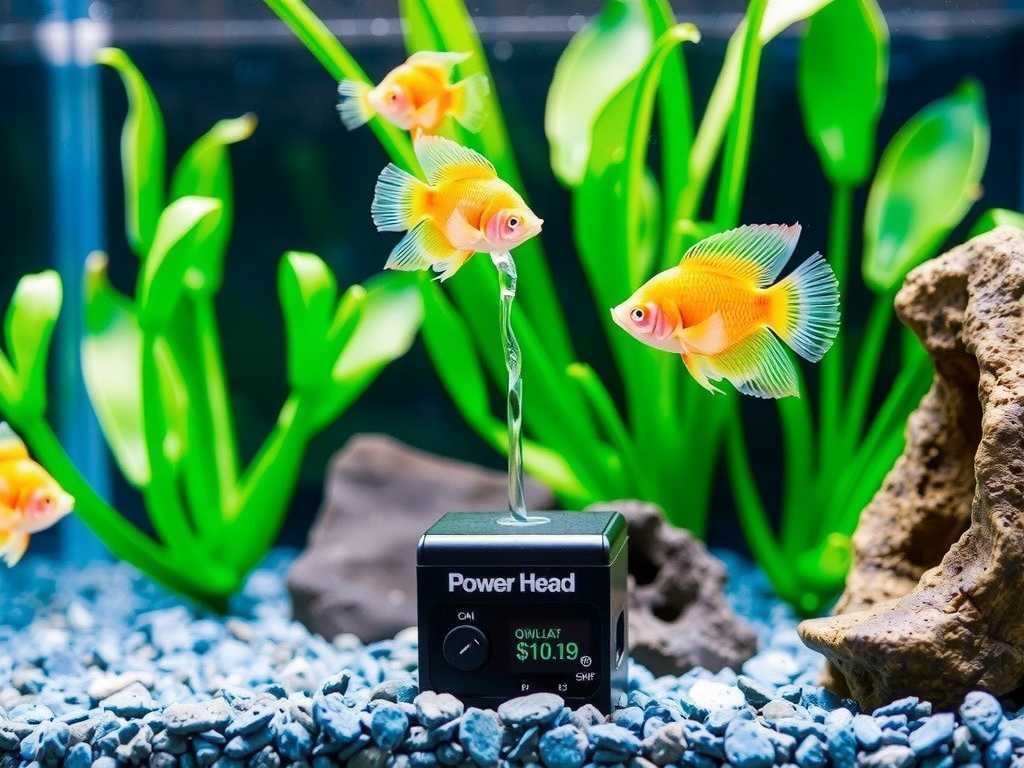
Step 3: Strategic Placement for Optimal Flow Avoid pointing powerheads directly at corals or the sandbed. Instead, aim them at the aquarium glass or across the water surface to create deflection and broader circulation. Place them to ensure flow reaches behind rock structures. Observe your tank: if you see debris settling, adjust the angle or add a small supplementary pump to that area.
Step 4: Programming for a Natural Rhythm Use your pump's features. Program a lower, gentler flow pattern for nighttime when many corals retract their polyps. Create intervals of high-intensity flow during the day to simulate tidal surges or storm events. This variability not only benefits corals but also keeps fish active and engaged.
Maintaining Your Water Flow Equipment
Even the best powerhead needs care. Every month, unplug and clean the pump housing and impeller in a vinegar solution to dissolve calcium and algae buildup, which can drastically reduce performance and lead to overheating. Regularly check for worn parts and ensure the protective guard is intact to safeguard your livestock.
Frequently Asked Questions
Can I have too much flow in my saltwater tank? Yes, absolutely. While many corals love high flow, it must be the right type—turbulent, not laminar (a single direct stream). Excessive direct flow can prevent corals from fully extending, tear delicate tissue, and make it impossible for fish to swim or rest comfortably. It can also stir the sandbed excessively. Watch your livestock's behavior; they will tell you if the flow is too strong.
How many powerheads do I really need for my tank size? As a general rule of thumb, tanks under 40 gallons may be served well by a single, high-quality controllable wavemaker. For tanks 40 gallons and above, two pumps are almost always recommended to eliminate dead spots. For very large or long tanks (e.g., 6 feet or more), three or more pumps may be necessary to ensure even, comprehensive circulation from end to end.
What is the difference between flow rate and pressure in a powerhead? This is a crucial distinction. Flow rate (GPH) is the volume of water moved. Pressure is the force behind that water. A pump with high flow but low pressure (like a propeller-style wavemaker) moves a large volume of water with a broad, gentle push. A pump with lower flow but high pressure (like some needle-wheel designs) produces a narrower, more jet-like stream that can reach further distances. For most reef tanks, broad-volume flow is preferable to high-pressure jets.
Mastering water flow is the final frontier in creating a truly resilient and vibrant saltwater aquarium. It goes beyond equipment specs into the art of observing your tank's unique environment. By understanding the needs of your inhabitants, investing in controllable technology, and thoughtfully placing your pumps, you transform your tank from a static container of water into a dynamic, miniature ocean. The result is unmistakable: healthier fish, explosively growing corals, and a breathtakingly natural underwater landscape that thrives for years to come.

发表评论