 admin
admin How to Clean Saltwater Ornamental Fish Tank Glass: Spotless Results
Is your breathtaking underwater view being ruined by stubborn algae, salt creep, and cloudy glass? You’ve invested time and resources into creating a vibrant saltwater aquarium, only to have its beauty obscured by a dirty viewing pane. Achieving truly spotless saltwater aquarium glass can feel like a constant battle against nature. This guide is designed to give you the knowledge and techniques to win that battle, transforming your maintenance routine from a chore into a quick, effective process that guarantees crystal-clear views and a healthier environment for your ornamental fish and corals.
Understanding Your Adversaries: What’s on the Glass?
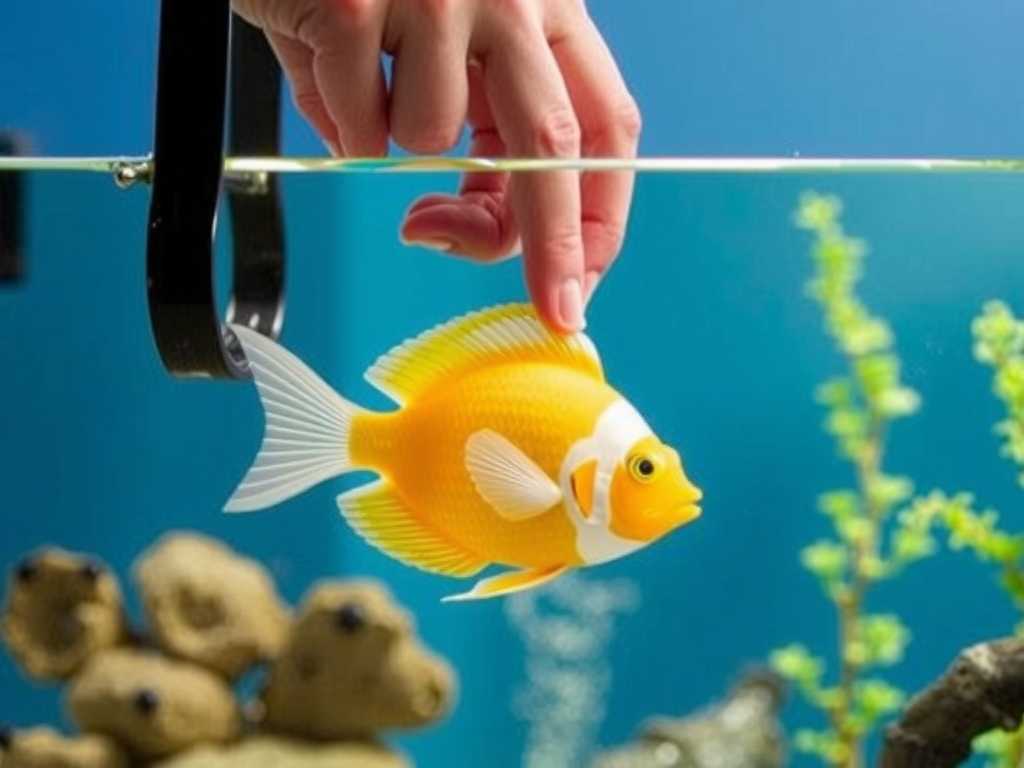
Before you start scrubbing, it’s crucial to know what you’re cleaning. Different growths require different approaches.
- Green Algae Films: A soft, green layer is the most common. It’s typically a sign of balanced nutrients and light, and is easily removed.
- Coralline Algae: These hard, pink, purple, or red crusts are desirable on rocks but a nuisance on glass. They indicate good water chemistry but require more effort to remove.
- Diatoms (Brown Algae): A dusty brown coating often appears in newer tanks or those with silicate issues. It wipes away easily but can return quickly.
- Salt Creep: The white, crusty residue left when saltwater splashes and evaporates. It can scratch glass if not dissolved properly before wiping.
- Water Spots & Film: A hazy film, often from mineral deposits or oily residues from hands or food.
Essential Tools for a Spotless Clean
Using the correct tools is half the success. Never use household sponges or cleaners, as they contain soaps and chemicals lethal to aquarium life.
-
Algae Scrapers & Blades:
- Magnetic Cleaners: Ideal for daily or weekly light cleaning. Choose a model with a felt pad for light algae and a blade insert for tougher spots. Ensure the magnet is strong enough for your glass thickness.
- Razor Blades (for Glass Only): The ultimate tool for scraping off coralline algae and stubborn growths. Use a long-handled aquarium razor blade scraper for safety and control. Crucially, only use on standard glass tanks. Acrylic tanks will be severely scratched.
- Plastic Blades & Scrapers: A safe alternative for both glass and acrylic, though less effective on hardened coralline.
-
Cleaning Pads & Cloths:
- Dedicated melamine foam pads (like aquarium-safe filter pad material) can polish away light films. Always use a brand-new pad reserved solely for the tank.
- Microfiber cloths are excellent for final polishing and drying the outside glass.
-
Siphons & Buckets: A gravel vacuum siphon is essential for removing the algae and debris you dislodge from the glass during water changes.
-
Glass Polish & Cleaners (For External Use Only): To achieve a streak-free shine on the outside, use a dedicated aquarium-safe glass cleaner or a simple solution of white vinegar and water (applied to the cloth, never sprayed near the tank).
The Step-by-Step Cleaning Process for Flawless Glass
Preparation: Safety First Turn off power to heaters, pumps, and wavemakers near the water line. This prevents damage from air exposure and ensures safety. Have your dedicated bucket and siphon ready.
Step 1: Internal Glass Cleaning – The Main Event Start with the inside glass. Use your magnetic cleaner or blade scraper in slow, deliberate strokes. Work from the top down, dislodging algae into the water column where it can be removed by filtration or siphon. For tough coralline algae, hold your long-handled razor scraper at a 45-degree angle and apply firm, steady pressure. The algae should flake off. Be meticulous in corners, using a small plastic blade or an old credit card (tank-dedicated).
Step 2: The Coordinated Water Change This is the most effective method for cleaning a saltwater fish tank. Immediately after scraping, begin your scheduled partial water change. Use the siphon to draw water from areas where the dislodged debris is settling. This physically removes the nutrients and spores from the system, not just the visible algae. As renowned aquarist Julian Sprung often emphasizes, “Nutrient export is key to control; removing detritus via siphoning is direct export.”
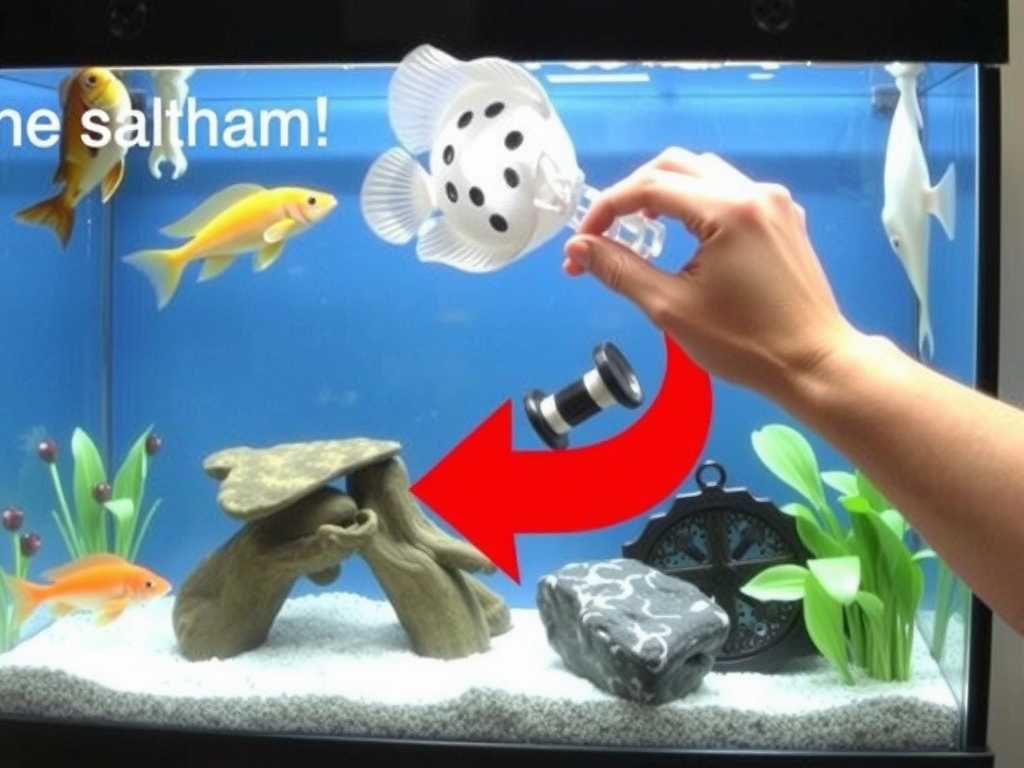
Step 3: Exterior Glass & Final Polish Once the interior is done and equipment is back on, clean the outside. Spray your safe cleaner onto a microfiber cloth, not the tank. Wipe down the glass, hood, and light fixtures to remove dust, fingerprints, and salt spray. For a final streak-free shine, buff with a dry, clean microfiber cloth.
Proactive Maintenance: Preventing Algae Before It Sticks
Cleaning is reactive; prevention is proactive. A 2021 report by the Global Aquarium Society noted that tanks with balanced nutrient control (nitrate and phosphate) exhibited 60% less aggressive algae growth on viewing panels.
- Balance Nutrients: Keep nitrates and phosphates in check through regular water changes, proper feeding, and the use of macroalgae in a refugium.
- Manage Lighting: Overly long or intense light periods fuel algae. Use a timer for consistent photoperiods (typically 8-10 hours for fish-only, adjusted for corals).
- Employ Algae Grazers: A clean-up crew is a natural solution. Snails like Trochus and Astrea, certain hermit crabs, and sea urchins are excellent at consuming film algae from glass and rocks.
- Maintain Filtration: Ensure your protein skimmer, mechanical filter pads, and chemical media are clean and functioning to remove organic waste.
What is the safest way to clean a saltwater tank with delicate corals? For tanks with sensitive corals that can be damaged by falling debris, use a very gentle approach. Employ a soft pad magnetic cleaner frequently to prevent heavy buildup. During cleaning, temporarily reduce flow to allow debris to settle away from corals before siphoning it out. Consider manually cleaning glass sections in stages over a few days to minimize disturbance.
Can I use vinegar to clean the inside of my aquarium glass? No. You should never use vinegar or any chemical inside the aquarium water. It will alter pH and harm livestock. Vinegar is an excellent, streak-free cleaner for the outside glass and equipment when used externally and applied to the cloth first.
How often should I do a deep clean of my aquarium glass? Frequency depends on your tank’s maturity and nutrient levels. A light wipe with a magnetic cleaner every 2-3 days is ideal. A more thorough scraping, especially for removing saltwater tank algae like coralline, should be part of your bi-weekly or monthly maintenance routine, always paired with a water change for best results.
Consistency is the true secret to perpetually clear glass. By integrating gentle, frequent cleaning into your routine, pairing it with scheduled water changes, and addressing the root causes of algae growth through balanced tank management, you will spend less time scrubbing and more time enjoying the pristine, vibrant world you’ve created. The reward is an unobstructed window into your underwater masterpiece, where every detail of your ornamental fish and corals can shine through brilliantly.


发表评论