 admin
admin How to Choose Saltwater Ornamental Fish for Beginners with No Experience
Starting a saltwater aquarium is an exciting dream, but for a beginner with no experience, the sheer number of colorful fish can be overwhelming and intimidating. The fear of making costly mistakes, seeing your first fish struggle, or dealing with a tank crash is very real. This guide is designed to cut through the confusion. We will walk you through a simple, step-by-step process on how to choose saltwater ornamental fish that are not only stunning but also hardy and suitable for someone just starting out. By focusing on the right species and proper setup from day one, you can build a thriving, beautiful marine ecosystem with confidence.
Understanding the Foundation: Tank First, Fish Later
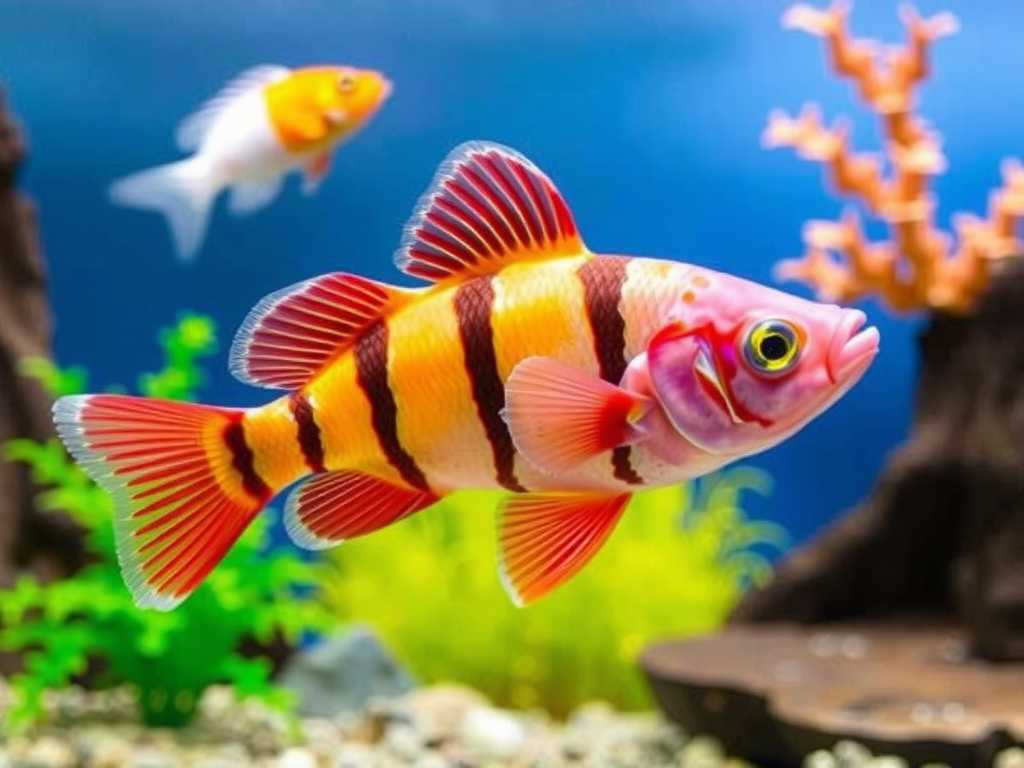
A critical mistake many new enthusiasts make is choosing fish before their aquarium is ready. Your tank's environment dictates everything.
The Non-Negotiable: A Cycled Tank You cannot add fish to a new tank filled with plain saltwater. A process called the "nitrogen cycle" must establish beneficial bacteria that convert harmful ammonia from fish waste into less toxic nitrite and then nitrate. This cycle typically takes 4-8 weeks. Using a quality test kit to confirm zero ammonia and zero nitrite before adding any livestock is your first and most important responsibility as an aquarist.
Tank Size Matters While you might start with a small tank to save money, a larger aquarium (40 gallons or more) is actually more forgiving for beginners. A larger volume of water dilutes toxins more effectively, making parameter swings less drastic and stressful for your fish. It also allows for a greater variety of peaceful, beginner-friendly species. As noted by marine aquarist and author Robert Fenner, "The solution to pollution is dilution," and a larger tank provides exactly that stability.
Filtration and Water Movement Invest in a robust filtration system (like a hang-on-back filter or a sump) and a powerhead or wave maker. Saltwater fish come from environments with constant, clean water flow, which helps oxygenate the water and prevent dead spots where debris can accumulate.
Essential Equipment for Fish Health Beyond filtration, you will need a heater to maintain a stable temperature (76-80°F), a quality protein skimmer to remove organic waste, and appropriate lighting. While intense lighting is crucial for corals, it's less critical for a fish-only tank, but consistent day/night cycles are important for fish well-being.
Your First Fish: The Pillars of a Beginner Saltwater Tank
When selecting your first saltwater ornamental fish, prioritize hardiness, peaceful temperament, and modest size. These "beginner fish" are more tolerant of minor fluctuations in water quality as you learn the ropes of maintenance.
The Indestructible Champion: Damselfish Species like the Azure Damselfish or the classic Yellowtail Damsel are incredibly hardy and often recommended as the very first fish for a new tank. They are small, colorful, and can handle beginner-level water conditions. However, a word of caution: some damsels can become territorial and aggressive as they mature, especially in smaller tanks. It's often best to add them last if you plan a community tank.
The Algae Management Crew: Blennies and Gobies These fish are not just hardy; they are functional and full of personality. The Lawnmower Blenny is a comical fish that grazes on algae growth on your rocks and glass. Similarly, various gobies like the Watchman Goby are peaceful bottom-dwellers that sift sand and add interesting behavior to the lower levels of your aquarium.
The Peaceful Schooling Fish: Chromis If you want a touch of shimmering, schooling movement, the Green Chromis is a top contender. They are relatively peaceful, stay small, and their bright green/blue color adds a beautiful dynamic to the water column. A small group of three or five can create a stunning visual effect.
A Step Up: Classic Beginner-Friendly Showpiece Fish Once your tank is mature and you're comfortable with maintenance, you can consider these slightly more sensitive but still recommended beginner fish.
The Clownfish: A Rightful Favorite No list is complete without the Ocellaris or Percula Clownfish (like the famous "Nemo"). They are moderately hardy, have engaging personalities, and often host in anemones or coral. They do best in pairs and can become the centerpiece of your tank.
The Curious and Hardy: Firefish The Firefish Goby is a slender, elegant fish with a stunning dorsal fin that it erects like a sail. They are peaceful, relatively hardy, and spend their time hovering in the water column, darting into rockwork when startled. They require a well-fitted lid as they are known jumpers.
What to Absolutely Avoid as a First-Time Hobbyist
Knowing what not to buy is as important as knowing what to buy. Avoid these categories until you gain significant experience.
Fish Requiring Specialized Diets Mandarin Dragonets, while breathtakingly beautiful, feed almost exclusively on live copepods and amphipods. A new tank cannot sustain the massive population of these tiny organisms they need to survive. Similarly, most angelfish and butterflyfish have specific coral or sponge-based diets that are difficult to replicate.
Aggressive or Predatory Species Lionfish, triggers, eels, and large groupers are fascinating but will view your other tank inhabitants as food. They also produce a large amount of waste, complicating water quality management.
Delicate and Disease-Prone Species Marine Bettas, Moorish Idols, and most seahorses are incredibly challenging, requiring expert-level care, stable mature tanks, and often dedicated systems. They are not suitable for a beginner's first attempt at choosing saltwater fish for a new aquarium.
The Smart Selection and Acclimation Process
Research Before You Buy Never buy a fish on impulse. Research its adult size, temperament, dietary needs, and compatibility with other fish you want. Reputable sources like Reef2Reef forums or books by trusted aquarists provide invaluable firsthand experience.
Quarantine: Your Best Insurance Policy The single most effective practice to prevent disease is quarantining new fish in a separate, bare tank for 4-6 weeks before introducing them to your main display. This allows you to observe and treat any potential illnesses (like Ich or Velvet) without risking your entire established tank. While it requires an extra setup, it saves heartache, money, and fish lives in the long run.
Observe and Acclimate Properly At the store, choose active fish with clear eyes, intact fins, and a healthy appetite. At home, always use a slow drip acclimation method over 60-90 minutes to gently equalize water temperature and chemistry, reducing shock for your new pet.
Building a Peaceful Community When stocking, add the least aggressive fish first and the most territorial last. Provide ample rockwork with hiding places to establish territories and reduce stress. A good rule is one small fish per 5-10 gallons of water, but always consider the fish's adult size and waste production, not just its current size.
How many saltwater fish can I put in my tank? There is no universal number. A conservative starting point is one inch of adult fish length per 5-10 gallons of water, but this is a rough guideline. More important factors are the fish's bioload (waste production), activity level, and territorial needs. Always prioritize stable water quality over maximum stocking.
What is the absolute hardiest saltwater fish for a complete beginner? Many experienced aquarists would point to the damselfish, particularly the Azure or Yellowtail Damsel, for its ability to withstand less-than-perfect initial water conditions. However, for a more peaceful community tank long-term, a single clownfish or a firefish might be a better choice if you are patient and ensure your tank is fully cycled.
Can I keep saltwater fish with corals as a beginner? It is possible, but it adds significant complexity. Start with a "Fish Only With Live Rock" (FOWLR) system. This allows you to master fish care and water chemistry first. Once stable for 6-12 months, you can consider adding hardy beginner corals like mushrooms or zoanthids, but this requires more advanced lighting, water parameter stability, and an understanding of coral needs. Focus on fish first to build a solid foundation.
Embarking on the journey of a saltwater aquarium is a rewarding adventure that teaches patience and observation. Success lies not in rushing to fill your tank with the most exotic creatures, but in the careful, informed selection of resilient species suited to a new system. By setting up a stable environment, choosing proven beginner-friendly fish like clownfish, damsels, and blennies, and committing to a diligent maintenance routine, you transform from a novice into a capable aquarist. Your thriving underwater world begins with these mindful first steps.

发表评论