 admin
admin How to Treat Swim Bladder Disease in Ornamental Fish Care
Seeing your beloved fish struggling to swim, floating upside down, or sinking helplessly to the bottom of the tank is a heart-wrenching and alarming experience for any aquarium hobbyist. This distressing scenario is often a telltale sign of a common ailment known as swim bladder disease. While it looks serious—and it certainly can be—the good news is that in many cases, how to treat swim bladder disease is manageable with prompt and correct care. This guide will walk you through a clear, step-by-step approach to diagnosing, treating, and preventing this disorder, empowering you to give your fish the best chance at a full recovery.
Understanding the Swim Bladder: The Fish's Buoyancy Control Center
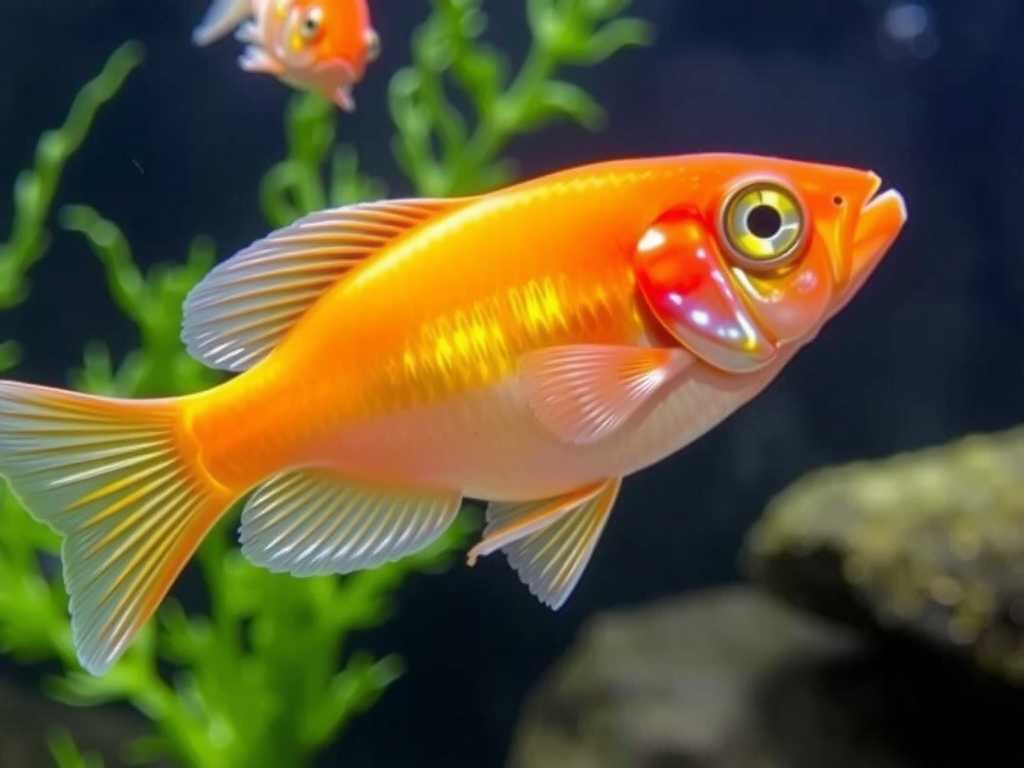
Before diving into treatment, it’s crucial to understand what you’re dealing with. The swim bladder is a gas-filled internal organ that helps bony fish maintain their buoyancy, allowing them to stay suspended at a desired depth without constant swimming. When this organ malfunctions due to infection, physical pressure, or other issues, the fish loses control over its buoyancy. It’s not a single disease but a symptom of an underlying problem. Recognizing this is the first step in effective ornamental fish care.
Step 1: Immediate Observation and Accurate Diagnosis
Don't panic and start treatment blindly. Careful observation is your most powerful tool.
- Identify the Symptoms: Is your fish floating at the surface, unable to descend? Is it sinking to the bottom, struggling to rise? Perhaps it’s swimming sideways or even upside down. Some fish may have a distended belly or show a loss of appetite.
- Rule Out Other Issues: Check your water parameters immediately. Poor water quality is a primary stressor. Use a reliable test kit to check for ammonia, nitrite, nitrate, and pH spikes. Sudden changes can cause shock that mimics swim bladder problems.
- Assess Recent Feeding: Did you recently feed peas, dry flakes, or live food? Dietary causes are among the most common for swim bladder disorders.
As noted by aquatic veterinarian Dr. Jessie Sanders, "A large percentage of buoyancy cases in community tropical fish are related to gastrointestinal tract distension from overfeeding or inappropriate foods, rather than a primary bacterial infection of the swim bladder itself."
Step 2: Initial At-Home Treatment and Supportive Care
For most non-infectious cases, these conservative measures can lead to recovery within a few days.
- Implement a Fasting Period: Stop feeding all food for 24 to 48 hours. This gives the digestive system a chance to clear any blockages or gas buildup. For fish like bettas or goldfish, a 3-day fast is often recommended.
- Perform a Water Change: Conduct a 25-30% water change with properly conditioned water to ensure pristine water quality and reduce stress.
- Consider a Hospital Tank: If the affected fish is in a community tank, moving it to a bare, shallow hospital tank can reduce stress from trying to swim and make it easier to monitor and feed. Ensure gentle filtration and heating.
- Adjust the Water Level: Temporarily lowering the water level in the hospital tank can help the fish reach the surface for air with less effort, which is a critical part of treating buoyancy disorder in pet fish.
Step 3: Dietary Intervention and Corrective Feeding
After the fasting period, it’s time to reintroduce food strategically.
- Offer Cooked, Skinned Peas: This is the classic remedy for suspected constipation. Thaw a frozen pea, boil or microwave it until soft, remove the outer skin, and offer the inner flesh. The pea acts as a mild laxative due to its fiber content. Offer one small piece per day.
- Switch to a High-Quality, Softer Diet: If peas are accepted, consider switching to a more digestible diet. Soak dry flakes or pellets in tank water before feeding to prevent them from expanding in the fish’s gut. High-fiber gels or daphnia can also be beneficial.
- Feed Smaller, More Frequent Meals: Instead of one large feeding, offer tiny portions 2-3 times a day. This prevents overloading the digestive system.
Step 4: Addressing Underlying Medical Causes
If dietary management fails after 5-7 days, an underlying infection or physical issue may be the cause.
- Internal Bacterial Infections: These can infect the swim bladder directly. Symptoms may include clamped fins, lethargy, and stringy white feces alongside buoyancy issues. Treatment requires an antibiotic medication effective against gram-negative bacteria, such as those containing kanamycin or nitrofurazone. Always follow label instructions.
- Parasites or Physical Deformities: In some juvenile fish, parasites or congenital deformities can damage the swim bladder. Treatment with a broad-spectrum anti-parasitic may be advised. Unfortunately, permanent deformities often have no cure, and humane euthanasia may need to be considered if quality of life is poor.
- Environmental Factors: Consistently cold water can slow digestion, leading to constipation. Ensure your heater is functioning and the temperature is stable within the ideal range for your species.
Step 5: Long-Term Prevention Strategies
Prevention is always better than cure. Integrate these habits into your routine aquarium fish health maintenance.
- Provide a Varied, High-Quality Diet: Rotate between high-quality pellets, gels, and frozen foods. Avoid exclusive feeding of dry flakes or floating pellets that cause fish to gulp air.
- Soak Dry Foods: Always pre-soak dried foods for a minute before feeding. This simple step prevents food from expanding inside the fish.
- Maintain Impeccable Water Quality: Perform regular, partial water changes and keep up with filter maintenance. Stable, clean water is the foundation of all fish health.
- Avoid Overfeeding: A good rule is to feed only what your fish can consume in two minutes, once or twice a day. A fish’s stomach is roughly the size of its eye.
Frequently Asked Questions
Can swim bladder disease cure itself? Sometimes, if the cause is minor constipation and water quality is excellent, a fish may recover on its own after a few days of fasting. However, proactive care significantly improves recovery chances and reduces suffering.
Is swim bladder disease contagious to other fish? The disorder itself is not contagious. However, if the root cause is a bacterial or parasitic infection spreading through the tank, other fish may become sick from that same pathogen, potentially showing different symptoms.
How long does it take for a fish to recover from swim bladder disease? Recovery time varies. For simple constipation, improvement can be seen within 2-3 days of fasting and feeding peas. Cases requiring antibiotic treatment may take a full course of 7-10 days. Some fish with permanent physical damage may not fully recover but can often maintain a good quality of life with adjusted tank setups.
Successfully managing swim bladder issues requires patience, observation, and a methodical approach. By starting with the least invasive treatments—fasting and dietary adjustment—you address the most common causes without unnecessary medication. Always prioritize optimal tank conditions, as stress from poor water quality hampers any healing process. Remember, early intervention is key; the sooner you identify the problem and begin supportive care, the better the outcome for your finned friend. With knowledge and attentive care, you can often guide your fish back to healthy, normal swimming.

发表评论