 admin
admin How to Choose Substrate for Ornamental Fish Care: Safe Options
You've spent hours researching the perfect tank, the ideal filter, and the most vibrant fish. But there's one foundational element that often gets overlooked, yet it can make or break the health of your aquarium: the substrate. Choosing the wrong gravel or sand is more than just an aesthetic mistake. It can alter your water chemistry, harm delicate fish, and even trap deadly toxins. The question isn't just about color or size; it's about creating a safe, stable, and thriving environment for your underwater pets from the ground up.
This guide will walk you through everything you need to know about selecting the safest substrate for your ornamental fish, ensuring your aquarium is not only beautiful but also a healthy ecosystem.
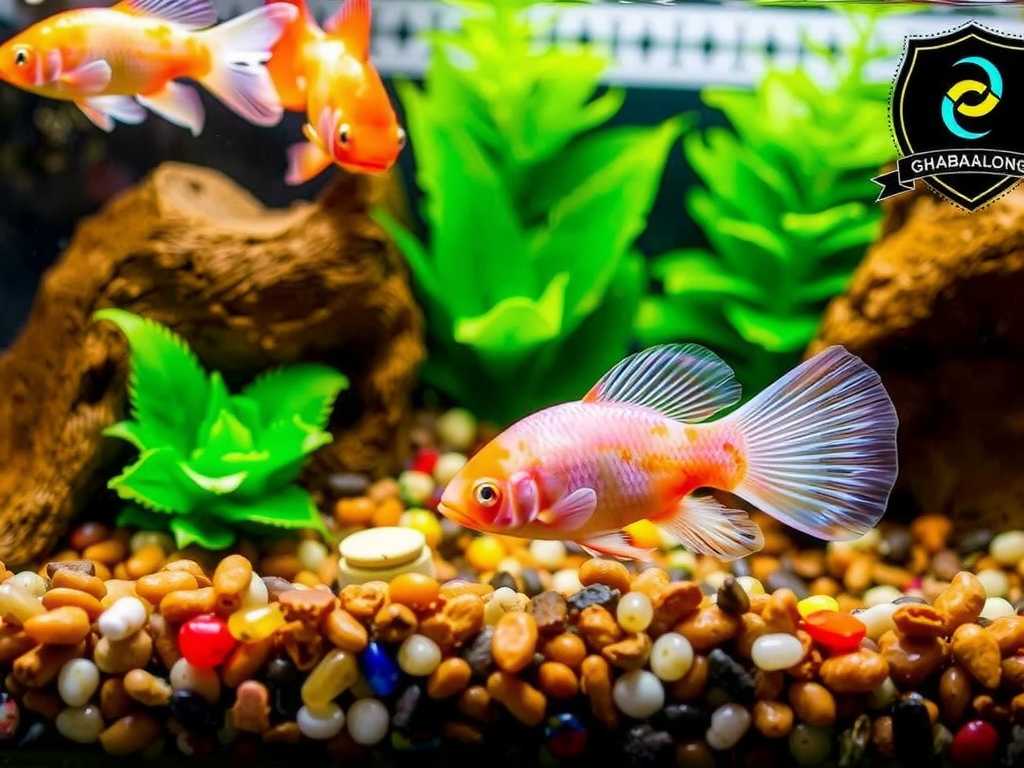
Understanding the Role of Substrate in Your Aquarium
Substrate is far more than decoration. It serves critical biological and chemical functions in a closed aquatic system. First, it is the primary home for beneficial bacteria that process harmful ammonia and nitrites—the cornerstone of the nitrogen cycle. A porous substrate provides vast surface area for these essential microbes to colonize.
Secondly, substrate directly influences water chemistry. Certain materials, like crushed coral or limestone-based gravel, will steadily release minerals into the water, raising the pH and general hardness (GH). This is perfect for African Cichlids but disastrous for soft water species like Discus or Tetras from the Amazon. The wrong choice here can cause chronic stress, leading to disease and shortened lifespans.
Finally, it impacts the well-being of your fish. Sharp-edged gravel can injure bottom-dwelling fish or species that like to sift and dig. For plant enthusiasts, the right substrate is a non-negotiable source of nutrients for root growth.
Key Factors for Selecting Safe Aquarium Substrate
When evaluating safe substrate options for ornamental fish, several factors must be considered together. Safety is a combination of chemical inertness, physical suitability, and functional purpose.
1. Chemical Inertness vs. Active Buffering
- Inert Substrates: These do not alter water parameters. They are the safest, most versatile choice for beginners and community tanks with fish that prefer neutral pH (around 7.0). Examples include quartz-based sand, river gravel, and pre-washed aquarium pebbles.
- Active/Buffering Substrates: These are designed to change water chemistry. Calcium carbonate-based substrates (aragonite, crushed coral, some marble chips) will buffer pH to 7.8 or higher, creating the hard, alkaline water essential for Rift Lake cichlids and livebearers. Conversely, substrates like aqua soils actively soften water and lower pH for planted tanks and blackwater biotopes.
2. Particle Size and Texture The size of the substrate grains is crucial for safety and maintenance.
- Fine Sand: Excellent for delicate barbels (Corydoras catfish, loaches), burrowing species (e.g., certain gobies, eels), and creating a natural look. It prevents food and waste from sinking deep. However, if not maintained, it can compact and develop anaerobic dead zones.
- Medium Gravel (2-5mm): The most popular and versatile choice. It allows for good water flow, is easy to vacuum, and is safe for most community fish. Avoid gravel with sharp, jagged edges.
- Large Pebbles/River Rocks: Mainly decorative. They allow substantial debris to fall between them, which can rot and pollute water if not cleaned diligently. Not recommended as a primary substrate for most tanks.
3. Color and Coating While a matter of taste, dark substrates often help fish display more vibrant colors and feel more secure, reducing stress. Be wary of brightly colored or painted gravels. As noted by aquascaping expert Dr. Diana Walstad, low-quality coated substrates can sometimes leach dyes or chemicals into the water, especially if the coating chips or degrades over time. Always choose products from reputable aquarium brands.
Best Substrate Choices by Aquarium Type
Matching the substrate to your tank's inhabitants is the golden rule for choosing the right aquarium gravel.
For a Planted Freshwater Tank Plants need nutrients for their roots. An inert base layer of coarse gravel or sand is insufficient.
- Nutrient-Rich Aqua Soils: (e.g., ADA Amazonia, Fluval Stratum) These are clay-based granules packed with ammonia and other nutrients to kickstart plant growth. They actively lower pH and soften water. Ideal for high-tech planted tanks.
- Capped Soil Method: A lower-cost alternative. A thin layer of organic potting soil (capable of holding nutrients) is capped with 1.5-2 inches of inert sand or fine gravel. This prevents soil from muddying the water while feeding plant roots.
For African Cichlid Tanks (Lake Malawi/Tanganyika) These fish require hard, alkaline water.
- Crushed Coral Sand or Aragonite: The perfect choice. It continuously dissolves, releasing calcium carbonate to maintain high pH and hardness, mimicking their natural habitat. It also has a bright, clean appearance.
For Delicate Bottom Feeders and Sifters Fish like Corydoras catfish are constantly in contact with the substrate.
- Smooth, Rounded Sand: This is non-negotiable. Fine, smooth sand protects their sensitive barbels from abrasion and infection. Pool filter sand or specialty aquarium sand is ideal.
For Brackish Water Aquariums These setups house species like mollies, gobies, and puffers that need salinity between fresh and marine.
- Aragonite or Coral Sand: Again, an excellent choice as it helps buffer the pH in a brackish environment, which tends to be more stable at a higher alkalinity.
For Saltwater Reef and Fish-Only Tanks Marine substrates serve primarily biological and aesthetic roles.
- Live Sand: Contains marine bacteria and microorganisms to help rapidly establish the biological filter. It's typically aragonite-based.
- Dry Aragonite Sand/Reef Substrate: A more economical option that will become "live" as your tank cycles. The fine, sugar-sized sand is preferred for many reef tanks.
Step-by-Step Guide to Preparing and Adding Substrate Safely
Choosing the right material is only half the battle. Proper preparation is key to safety.
- Calculate the Amount: A good rule is 1-2 pounds of substrate per gallon of water, aiming for a depth of 1.5-3 inches depending on your needs (deeper for planted tanks).
- Rinse Thoroughly: Place substrate in a bucket and run water through it while stirring vigorously until the runoff is completely clear. This removes fine dust that could cloud your tank for days. Avoid this step for nutrient-rich aqua soils, which will cloud regardless; follow the manufacturer's instructions.
- Add to the Tank: Place a clean plate or bowl on the bottom of your empty tank. Pour the rinsed substrate onto it to prevent displacing or scratching the glass.
- Arrange and Fill: Shape your substrate as desired. Then, slowly fill the tank with water, pouring it onto the plate or a piece of bubble wrap to minimize disturbance.
Common Substrate Pitfalls and How to Avoid Them
- Anaerobic Pockets: In very deep, fine sand beds, oxygen-free zones can form, producing toxic hydrogen sulfide gas (smells like rotten eggs). Stir the top layer gently during maintenance or keep sand beds under 3 inches deep to prevent this.
- Altering pH Unintentionally: Always test your tap water's pH and hardness first. If you have hard, alkaline tap water and want a soft water tank, avoid calcareous substrates. Conversely, if your tap water is soft and acidic, using crushed coral in the filter might be necessary for certain species, not necessarily the substrate.
- Impaction Risk: Some fish (like goldfish) may ingest small gravel while foraging. Using a substrate size larger than their mouth or opting for fine sand eliminates this danger.
What is the absolute safest substrate for a beginner community tank? Smooth, medium-grain inert gravel (2-5mm) or pre-washed aquarium sand is the safest and most manageable choice. It won't alter water chemistry, is easy to clean, and is safe for a wide variety of common community fish like tetras, guppies, and danios.
Can I mix different types of substrate in one tank? Yes, but do it strategically. You can create visual interest by layering different colors of the same type of gravel. For functional mixes, like a nutrient-rich soil capped with sand, ensure the cap layer is thick enough (at least 1.5 inches) to prevent the soils from mixing into the water column. Avoid mixing chemically active and inert substrates, as it creates unpredictable water parameters.
How often should I clean or replace my aquarium substrate? Vacuum the surface of your substrate with a gravel cleaner during weekly water changes to remove debris. Deep cleaning or full replacement should be rare and done with extreme caution, as it houses most of your beneficial bacteria. If you must replace it, do so in stages over several weeks or transfer some of the old substrate to a filter media bag to preserve the bacterial colony. Most inert substrates last indefinitely, while nutrient-rich soils exhaust their nutrients in 1-3 years.
Selecting the perfect substrate is a critical decision that sets the stage for your aquarium's long-term success. By prioritizing the needs of your specific fish and plants—considering chemistry, texture, and function—you move beyond mere decoration to create a foundational pillar of a healthy ecosystem. Start from the bottom up, and you'll build an environment where your ornamental fish can truly thrive, showcasing their natural behaviors and beauty for years to come.
发表评论